What Is the 30% Rule in Home Remodeling? A Smart Budget Guide for Homeowners
The average minor kitchen remodel in 2025 costs around $28,458. A full home remodel can run six figures fast. So how do you know when you're spending smart, and when you're spending too much?
That quiet worry sits with most homeowners before a big project. You've saved for years, the plans look great, and still you wonder if the numbers add up. The 30% rule gives you a clear answer.
This guide breaks down the 30% rule, a simple budget guardrail that helps you plan a smart home remodel without overpaying for upgrades the market won't reward.
We'll cover what the rule means, why a companion idea matters just as much, when to follow it, and when it's okay to bend it. We'll also show you how a local contractor can help you stretch every dollar in Star, Idaho.
What Is the 30% Rule in Home Remodeling?
The 30% rule in home remodeling is a budget guideline that says you should not spend more than 30% of your home's current market value on a single renovation project. On a $400,000 home, that means a remodel budget under $120,000.
The rule helps you avoid over-improving. Over-improving happens when your project costs more than buyers in your area will pay back at resale. That hurts your return and ties up money you could use elsewhere.
What the 30% Rule Actually Means
The 30% rule is a budget guideline. It says you shouldn't spend more than 30% of your home's current market value on a single remodel. On a $350,000 home, that caps your project at $105,000.
The rule has one main goal: keep you from over-improving. Over-improving means putting more money into your home than the market will pay back at resale.
A companion idea works alongside it. Look at what similar homes near you sell for. If most homes on your block top out at $400,000, your finished home shouldn't push far past that ceiling. The 30% rule sets your spending limit. The neighborhood comps set your value ceiling.
Which one matters most depends on your plans:
- Staying long-term? Lean on the 30% budget cap. Spend within reason and enjoy the home.
- Selling in five years or less? Watch the comp ceiling closely. Match upgrades to what your block supports.
- Not sure yet? Use the lower of the two numbers as your safe ceiling.
Now that you know what the 30% rule means, let's turn it into a number you can work with.
How to Calculate Your Home Remodel Budget Using the 30% Rule
A simple four-step process turns the rule into a working number.
Step 1:
Find your home's current market value.
Check your Zillow Zestimate, your Ada County assessor record, or a recent appraisal. Pick the most current source you trust.
Step 2:
Multiply by 0.30.
That's your maximum recommended remodel spend. A $450,000 home gives you a $135,000 ceiling.
Step 3:
Subtract a 10–15% contingency.
Surprises happen during any remodel. Hidden water damage, dated wiring, or shifted plans all cost money. Set aside this buffer before you commit.
Step 4:
Compare to contractor estimates.
Your working budget is what's left after the contingency. Use that number when you review quotes.
Here's how the math looks at common home value tiers:
| Home Value | 30% Cap | Contingency (15%) | Working Budget |
|---|---|---|---|
| $300,000 | $90,000 | $13,500 | $76,500 |
| $400,000 | $120,000 | $18,000 | $102,000 |
| $500,000 | $150,000 | $22,500 | $127,500 |
| $650,000 | $195,000 | $29,250 | $165,750 |
| $800,000 | $240,000 | $36,000 | $204,000 |
The 30% rule is a strong starting point. It isn't a law. Here's when it makes sense to bend it.
When It's Okay to Break the 30% Rule
The rule guides most projects well. A few situations call for a different approach.
You're staying for 15 years or more. Long-term owners get to enjoy every dollar spent. Resale math matters less when the home is for living, not selling.
You're remodeling for accessibility or aging in place. A walk-in shower, wider doorways, or a single-floor master suite can keep you in your home for decades. That value doesn't always show up in resale numbers, but it matters for daily life.
Your home is under-improved for the neighborhood. If nearby homes sell well above yours, you have room to grow into those comps. A smart remodel can lift your home toward neighborhood value instead of past it.
You're handling major systems repairs.
Roof, foundation, HVAC, and electrical work shouldn't be cut to stay under 30%. These keep the home safe and protect every other dollar you spend.
A few cases where you should hold the line:
- Speculative resale flips where the comp ceiling is fixed and tight
- Niche taste upgrades few future buyers will value, like a wine cellar in a starter home
- Neighborhoods with strict price caps
based on lot size, school zone, or HOA limits
Now let's look at which projects pay you back the most.
Which Home Remodel Projects Give You the Best Return?
Not every project pays you back the same way. Some return more than their cost at resale. Others return less but add real comfort.
Here's how common projects rank for return on investment, based on the
2025 Cost vs. Value Report from Zonda:
| Project Type | Average ROI |
|---|---|
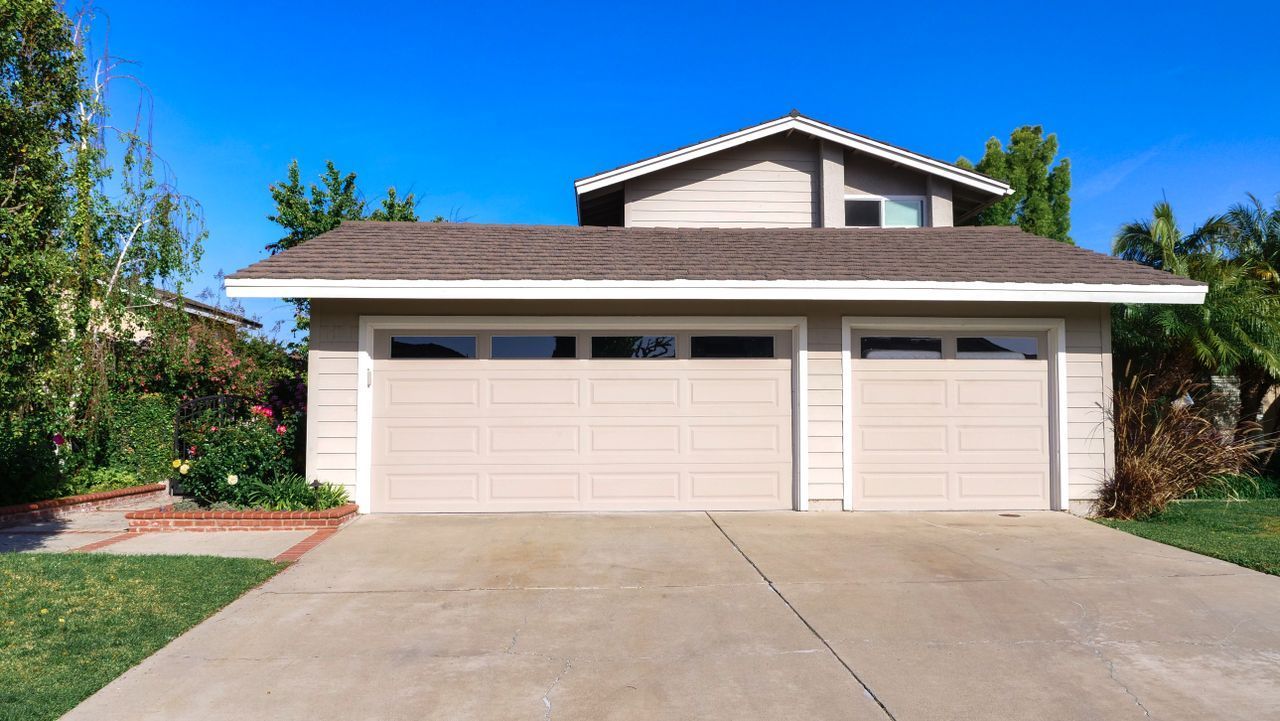
| Garage door replacement | 267.7% |
| Steel entry door replacement | 216.4% |
| Manufactured stone veneer | 207.9% |
| Minor kitchen remodel | 112.9% |
| Wood deck addition | 94.9% |
| Composite deck addition | 88.5% |
| Mid-range bathroom remodel | 74–80% |
| Major kitchen renovation | 50–60% |
| Master suite addition | 35–48% |
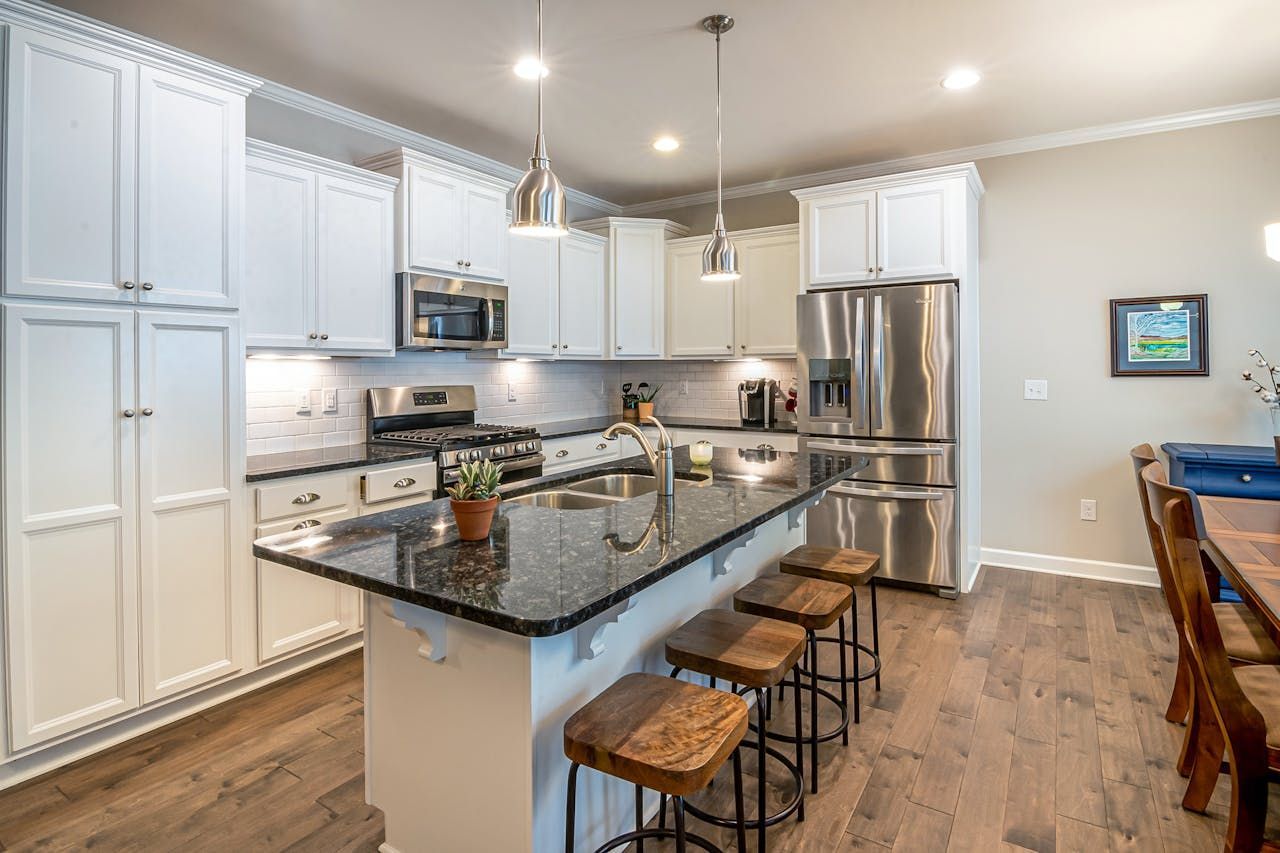
High-ROI projects earn back more than what you spend. Garage doors, steel entry doors, and stone veneer lead the list. These are smart picks when resale matters most.
Mid-ROI projects like full kitchen renovations and mid-range bathroom remodels return less but improve daily living. They're worth the spend if you'll use them often.
Lifestyle projects like master suite additions return the least at resale. They earn their value through years of comfort and use.
A balanced plan mixes both. You might spend most of your budget on a
kitchen remodel that pays back well, then use the rest on a
bathroom remodel or new deck you'll enjoy every day. A sunroom addition can extend your living space year-round in Star and across the Treasure Valley.
Numbers and rules only get you so far. The right local contractor turns a budget into a finished home.
How a Local General Contractor Helps You Remodel Within the 30% Rule
A good local contractor protects your budget from the first call to the final walkthrough. Here's how that works in practice.
Local comp knowledge. A Star, Idaho contractor knows what homes sell for in your neighborhood and across Ada County. That insight shapes the scope of work to match your market.
Transparent estimating. Clear quotes show line-by-line costs for materials, labor, and allowances. No vague numbers. No surprise add-ons.
Defined scope and change orders.
A written scope locks in the work. Change orders document any updates with new pricing before work moves forward. This keeps the budget from creeping past 30%.
Material allowances that match your plan.
Smart allowances for tile, fixtures, and finishes give you choice without blowing the budget on premium picks you don't need.
At
ATP Construction LLC, we follow a four-pillar process on every project:
- Transparency at every stage so you always know where your money is going
- Visionary design within your budget that pairs your goals with smart spending
- Efficient scheduling and coordination of materials and trades
- Excellence in execution and review
with a final walkthrough on every job
A short checklist for vetting any contractor:
- Active Idaho contractor license
- General liability and workers' comp insurance
- Local references from recent projects
- Strong Google Business Profile reviews
- Written estimates with clear allowances
Ready to start? Request a free remodel consultation with ATP Construction LLC. Call
(208) 741-4371 or
contact us today. We serve Star, Idaho and the wider Treasure Valley.