Remodel vs. Renovation: What's the Difference (and Which Does Your Home Need)?
Is replacing your old kitchen cabinets a remodel or a renovation? Most homeowners use the words like they mean the same thing. One wrong assumption can cost thousands.
This guide breaks down remodel vs renovation in plain English. We'll cover what each one means, what each one costs, and how to pick the right one for your home.
We'll walk through the real definitions, the cost gap between the two, when permits come into play, and how to decide whether you need a contractor or just a weekend. By the end, you'll know exactly which type of project fits what you want to change.
What Is the Difference Between a Remodel and a Renovation?
A
renovation updates or repairs a space without changing its layout or function. Think repainting walls, refinishing floors, or replacing cabinets in the same spot.
A
remodel changes the structure, layout, or use of a space. Examples include knocking down a wall, converting a garage into a bedroom, or turning a basement into a living area.
In short: renovation refreshes what's already there. Remodeling changes what the space
is. Renovations are usually faster and cheaper. Remodels typically need permits and a
licensed contractor.
What Is a Home Renovation? (And What Isn't One)
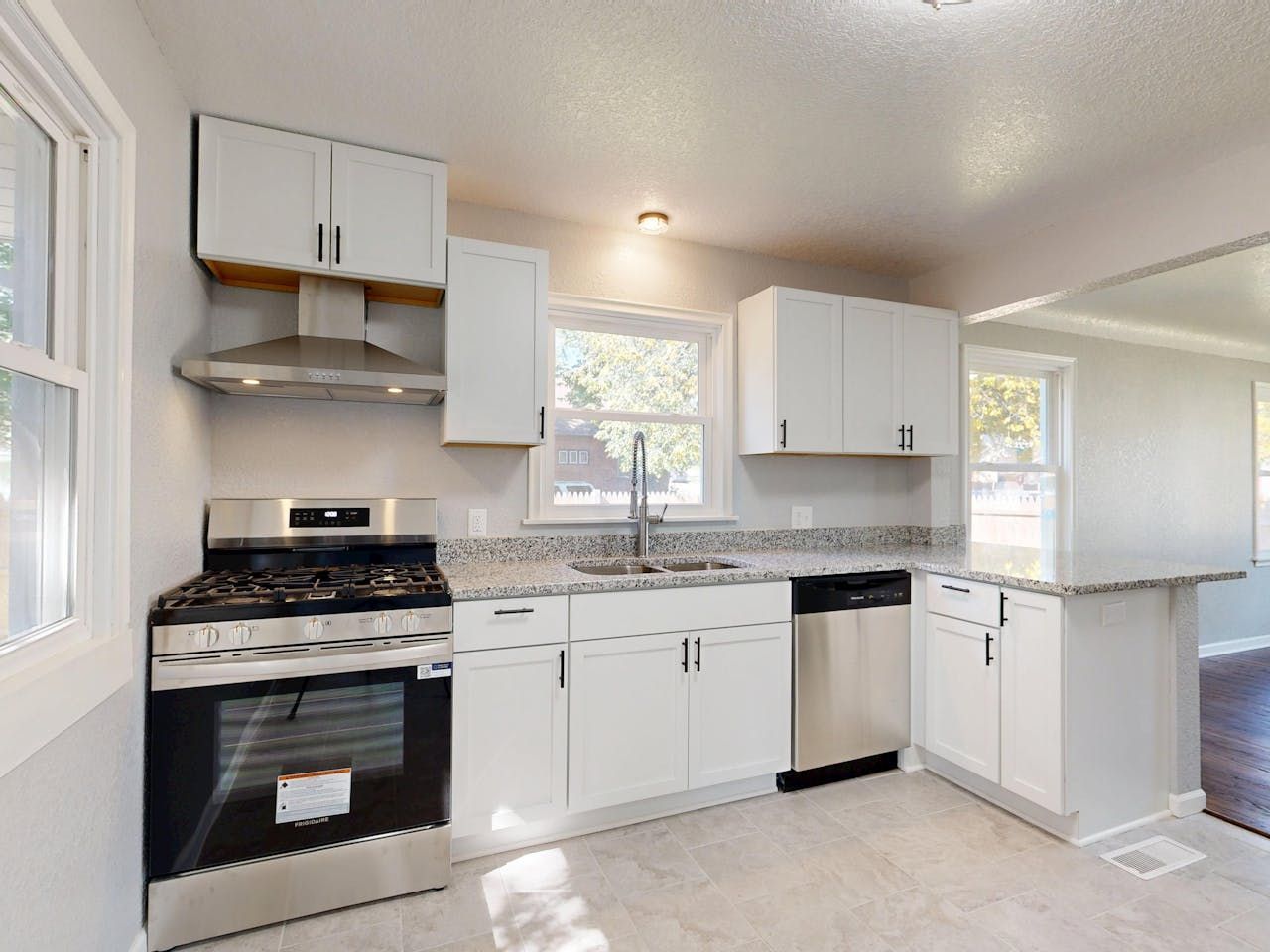
A renovation updates or restores a space without changing its structure or purpose. The room stays the same room. It just looks better, works better, or feels newer.
Most renovations are cosmetic or maintenance work. You're refreshing what's already there, not changing how the space is used.
Common renovation projects include:
- Repainting walls, ceilings, or trim
- Replacing or refinishing flooring
- Refinishing or repainting existing cabinets
- Swapping out fixtures like faucets, lights, or door hardware
- Updating countertops without changing the layout
- Replacing a vanity in the same footprint
Most cosmetic renovations don't require structural permits. But electrical and plumbing work can still trigger permit rules, even on small jobs. If you're moving a light switch or rerouting a water line, check before you start.
On our Treasure Valley projects, the most common renovation requests are flooring refreshes and bathroom vanity swaps. Both add a clean, updated look without touching the layout.
What Is a Home Remodel? (And When You've Crossed the Line)
A remodel changes the structure, layout, function, or footprint of a space. You're not just refreshing the room. You're changing what the room
is or how it works.
Most remodels involve some mix of structural, electrical, plumbing, or mechanical (heating and AC) work. That's why they take longer and cost more than a renovation.
Common remodel projects include:
- Removing a wall to open up a kitchen or living area
- Finishing a basement into living space
- Converting a garage into a bedroom, office, or ADU
- Adding a bathroom where one didn't exist
- Expanding a kitchen into an adjacent room
- Reconfiguring a bathroom layout with new plumbing locations
Here's a simple test for the tipping point. If you're changing what the space is used for, or moving walls and plumbing to change the layout, it's a remodel. If everything stays in the same spot and you're just updating the finishes, it's a renovation.
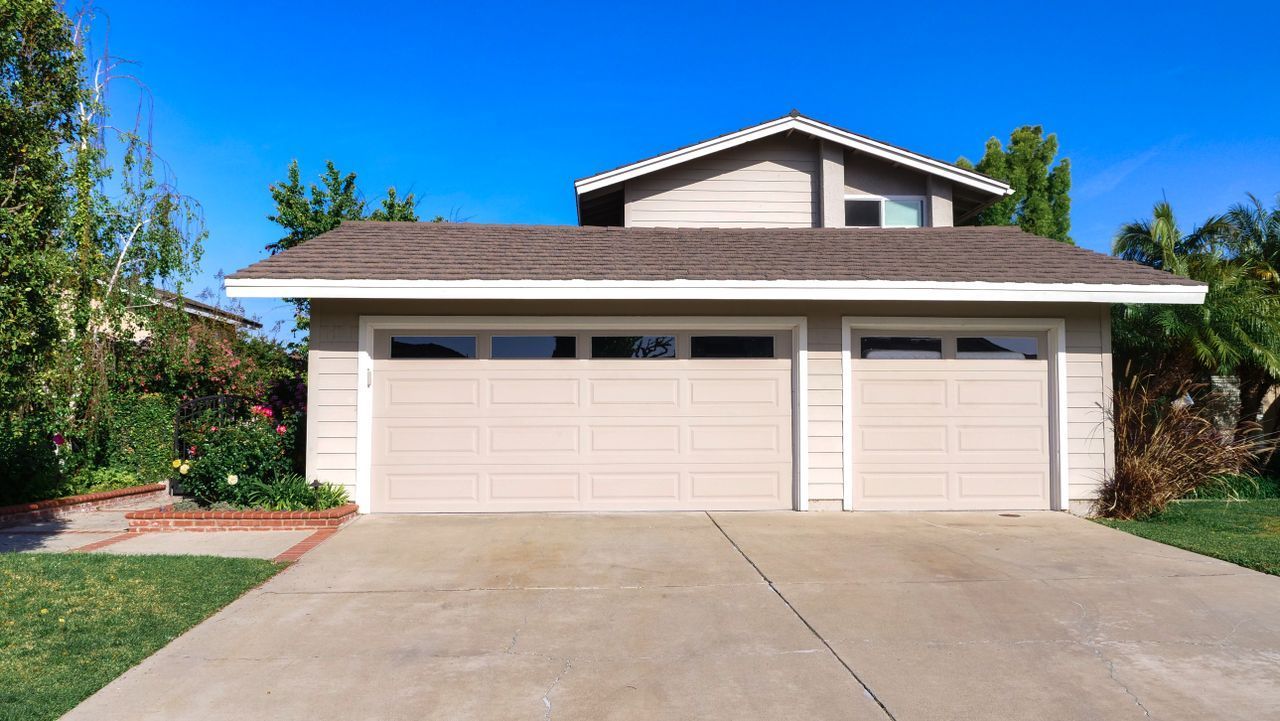
A common example from our work: a homeowner wanted to "renovate" their basement. Once we added a bedroom and bathroom, the project became a remodel under Ada County code. New egress windows, new plumbing, and new electrical all came into play.
Remodel vs Renovation Cost: What You'll Actually Spend
Definitions are one thing. The real difference shows up on the invoice.
Renovations typically run $5,000 to $25,000 for single-room cosmetic work. Remodels typically run $20,000 to $100,000 or more, depending on the scope and how much structural work is involved.
Three things drive most of the cost gap:
- Structural changes. Moving walls, adding square footage, or rerouting plumbing adds engineering, labor, and material costs.
- Permits and inspections. Permit fees, plan reviews, and inspection cycles add time and money to any remodel.
- Finish materials. Tile, cabinets, countertops, and fixtures can swing a budget by tens of thousands of dollars.
Before you set a budget, look at the 30% rule in remodeling. It's a simple guide for how much to spend based on your home's value.
Renovation vs Remodel: Side-by-Side
Cost ranges shown here are general industry figures. Your final price depends on your home, your materials, and how much structural work the project needs.
| Factor | Renovation | Remodel |
|---|---|---|
| Typical cost range | $5,000–$25,000 | $20,000–$100,000+ |
| Typical timeline | Days to a few weeks | Several weeks to several months |
| Permit likely needed? | Usually no | Almost always yes |
| Licensed contractor needed? | Sometimes | Almost always |
| Changes the layout? | No | Yes |
Can You DIY It? When You Need a Pro
Most renovations are DIY-friendly. If the work is cosmetic and stays inside the existing layout, a confident homeowner can handle it on a weekend or two.
Most remodels are not. Once you touch structure, code, or multiple trades at once, the project gets complicated fast.
Usually DIY-safe:
- Painting walls, ceilings, and trim
- Installing peel-and-stick or click-lock flooring
- Refinishing or repainting existing cabinets
- Swapping out hardware, faucets, or light fixtures
- Hanging shelves or basic trim work
Call a pro:
- Anything load-bearing (walls that hold up the floor or roof above)
- Moving plumbing or rerouting drain lines
- Electrical work beyond swapping a fixture
- Heating and AC changes
- Any job that needs a permit or inspection
- Projects that combine two or more of the above
DIY work that goes wrong costs more than hiring a pro from the start. Failed inspections mean tear-outs and rework. Unpermitted work can sink a home sale or get an insurance claim denied. We've seen homeowners spend more fixing a botched DIY than the original quote would have been.
Permits, Inspections, and the Paperwork Most Homeowners Miss
Cost is only half the story. The other half is paperwork.
Most cosmetic renovations don't need a permit. Paint, flooring, and hardware swaps usually fly under the radar. But once you change structure, plumbing, electrical, or heating and AC, permits come into play.
In Star, Idaho, building permits and inspections are handled by the
City of Star Building Department. The exact thresholds depend on the type of work, so it's worth checking before the project starts.
Projects that typically require a permit in our area include:
- Removing or moving a load-bearing wall
- Adding new square footage or a room addition
- Finishing a basement into living space
- Converting a garage into living space or an ADU
- Adding a new bathroom or relocating plumbing
- Rewiring or adding new electrical circuits
- Replacing or relocating heating and AC equipment
- Installing a new deck more than 30 inches above grade, or attached to the house
- Replacing windows when the opening size changes
Skipping permits is a mistake that follows the home for years. Unpermitted work can:
- Show up on a home inspection and kill a sale
- Void parts of your homeowner's insurance after a claim
- Trigger fines from the city or county
- Force you to tear out finished work to get it inspected after the fact
On every Treasure Valley project, we handle the permit applications and schedule the inspections so the homeowner never has to chase paperwork. That's part of what you're paying a licensed contractor to take off your plate.

Which One Adds More Value to Your Home?
The right project depends on why you're doing it. Renovations and remodels add value in different ways.
Renovations tend to bring strong returns on small, visible upgrades. A fresh coat of paint, new flooring, or updated kitchen finishes can lift a home's appeal without a huge spend.
Renovation wins when:
- You're planning to sell within the next year or two
- The home is structurally sound and the layout works
- You want a quick refresh on a tight budget
- You're targeting curb appeal or buyer first impressions
Remodels take longer to pay off but add real, usable space. According to Zonda's 2025 Cost vs. Value Report, bathroom remodels and finished basements often return 70% to 80% of what you spend, depending on the market and the scope. Bathroom additions return less, closer to 50%, but they add usable square footage that opens up your buyer pool. Luxury remodels usually return less because the upgrades go beyond what most buyers expect.
Remodel wins when:
- You plan to stay in the home for five or more years
- The current layout doesn't fit how you live
- You need more bedrooms, bathrooms, or living space
- You're solving a long-term problem, not chasing resale value
Some of our most-loved projects in the Treasure Valley are basement remodels and garage conversions. They add real, livable square footage to homes that were already in good shape.
Whether you're refreshing a room or rethinking your whole floor plan, the team at ATP Construction LLC has remodeled homes across Star and the Treasure Valley for over a decade. Schedule your free in-home consultation or call (208) 741-4371 to talk through your project with a general contractor in the Treasure Valley who'll give you a straight answer on what you actually need.