What Adds the Most Value to a House? A Homeowner's Guide to Smart Remodels
Some homeowners remodel to sell. Others remodel to finally love the house they live in. Either way, the same question matters: what actually adds value?
This guide breaks down the remodel projects that deliver the highest return — in resale dollars, in daily livability, or in both — so you can spend with confidence.
We'll walk through the upgrades that move the needle most, the ones that quietly waste money, and how to tell which category your project falls into. By the end, you'll have a clear sense of where to start.
What Adds the Most Value to a House?
The home improvements that add the most value usually fall into three buckets: curb appeal upgrades like a new garage door, entry door, or fresh exterior paint; kitchen and bathroom remodels; and added livable square footage such as a finished basement or converted garage. Smaller, well-executed projects often beat full luxury overhauls. For most homes here in Star and the wider Treasure Valley, a minor kitchen refresh, an updated bath, and clean curb appeal deliver the best mix of resale return and daily livability — especially when paired with energy-efficient, low-maintenance materials.
A quick word on ROI. Return on investment means how much of a project's cost you get back when you sell. A 70% ROI on a $20,000 remodel means about $14,000 shows up in your sale price. Some projects also pay you back in ways that don't show on a spreadsheet — comfort, function, and how the home feels every day.
Here's what we'll cover next:
- Curb appeal projects with the strongest payback
- Kitchen and bath: where to spend, where to save
- Adding square footage without a full addition
- Energy and maintenance upgrades buyers notice
- Upgrades worth it even if you're staying put
- How to budget so your remodel actually pays off
Curb Appeal Upgrades That Pay Back the Most
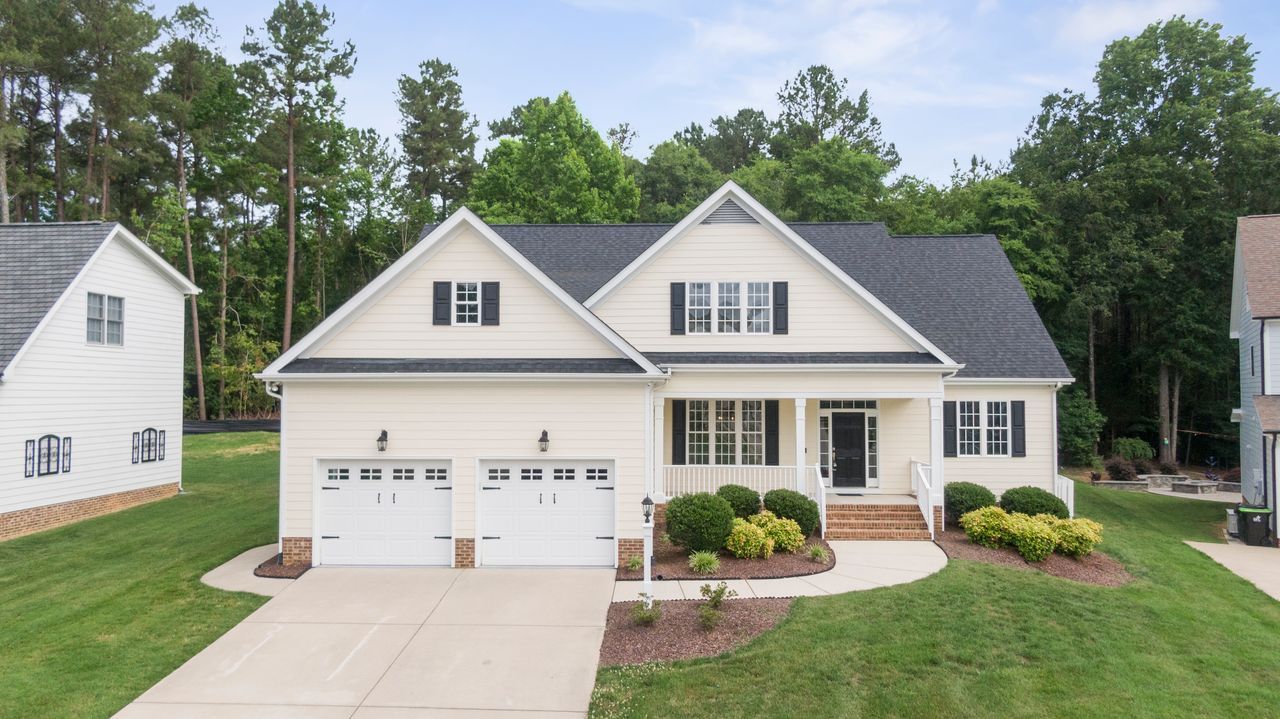
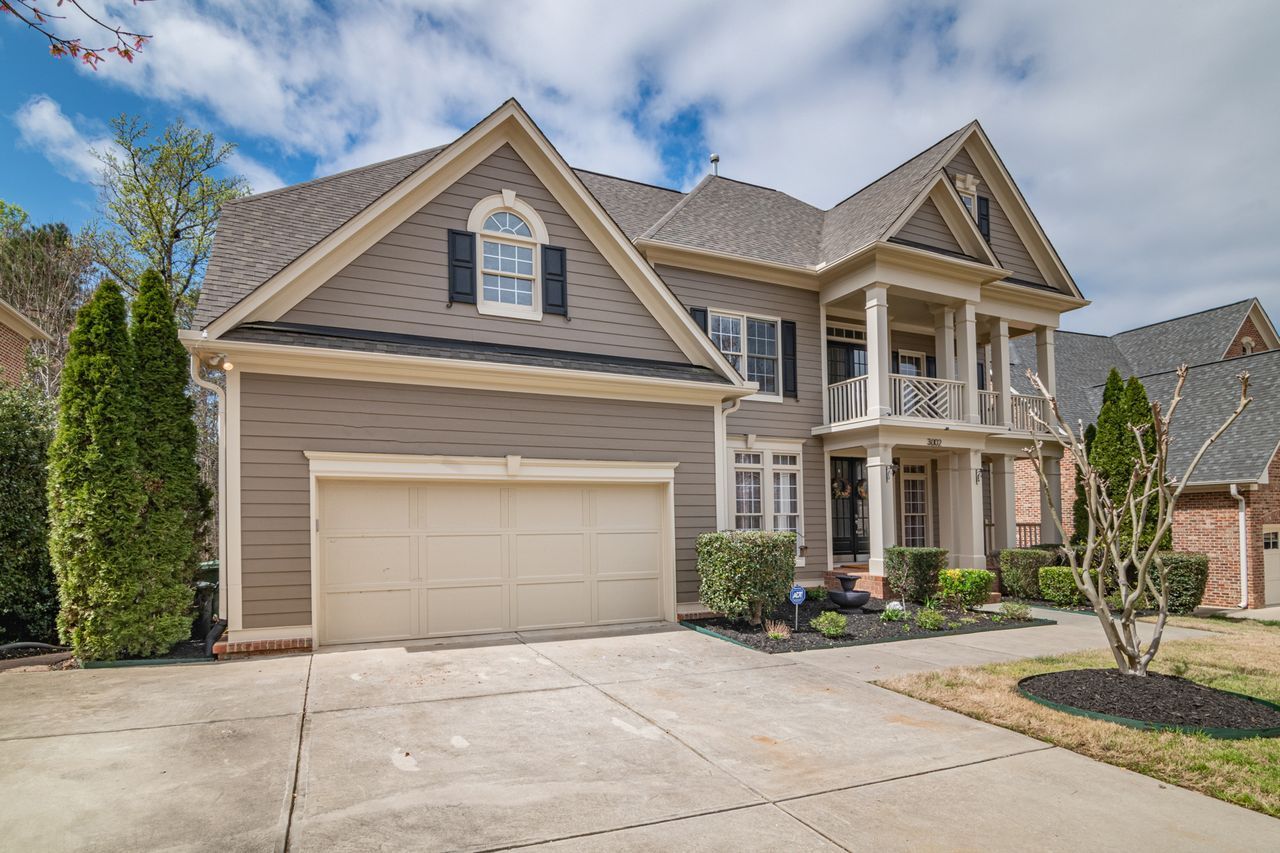
First impressions decide a lot. Buyers form an opinion before they reach the front door, and you feel that same pull every time you pull into the driveway. The good news is that the exterior projects with the strongest ROI are also some of the most affordable.
Here are the curb appeal upgrades that consistently pay back the most:
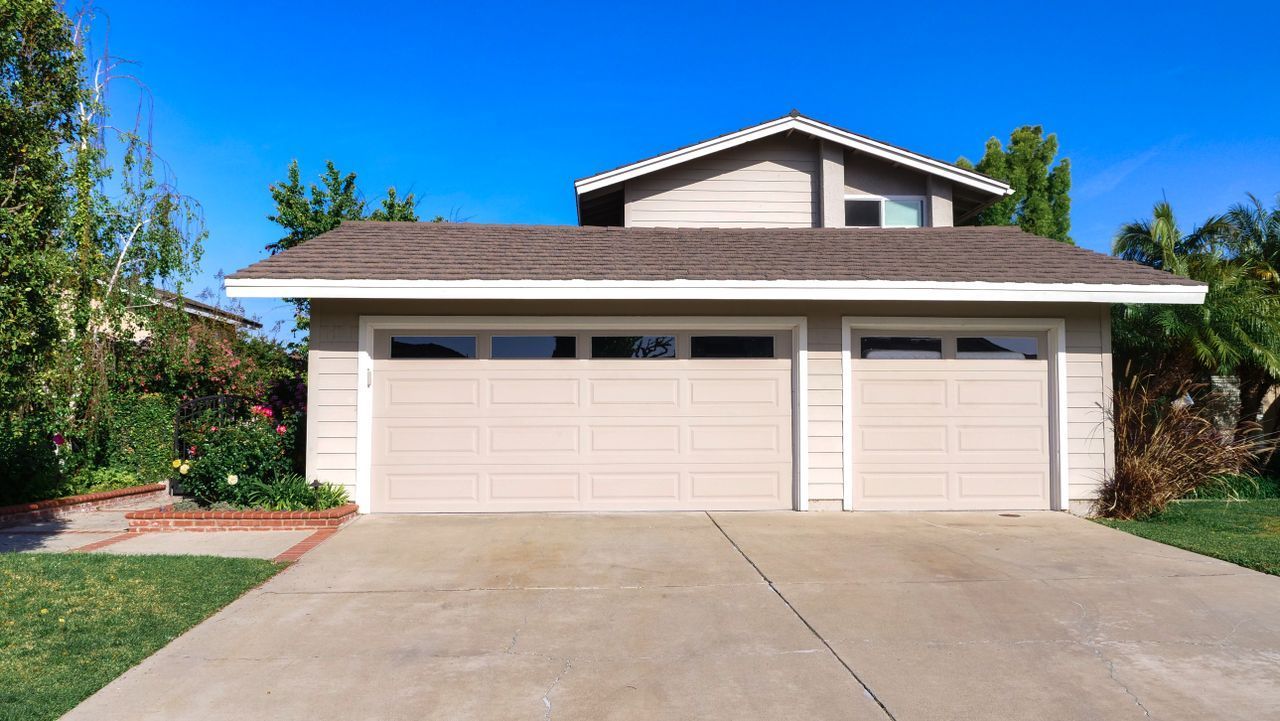
- Garage door replacement. A new garage door is one of the highest-returning remodel projects year after year in the Zonda Cost vs. Value Report. It's a one-day install that resets the whole front of the house.
- Steel entry door swap. Swapping a tired front door for a new steel door upgrades security, energy efficiency, and curb appeal in one move.
- Manufactured stone veneer accent. A stone veneer band across the front facade or around the entry adds texture and depth. It ranks near the top for exterior ROI.
- Exterior paint refresh. A full repaint, or even a touch-up on trim, shutters, and the front door, can take five years off the look of a home.
- Landscaping cleanup.
A clean yard beats an overdone one. Edged beds, fresh mulch, trimmed shrubs, and a healthy lawn carry more weight than expensive new plantings.
A quick field note from our team: on a recent remodel, the homeowner only changed the front door and repainted the trim. Buyers walked in differently. The house felt cared for before they ever stepped inside.
If you're staying, these same upgrades make coming home feel better. If you're selling, they shape the first photo, the first showing, and the first offer.
Kitchen and Bathroom Remodels: Where to Spend, Where to Save
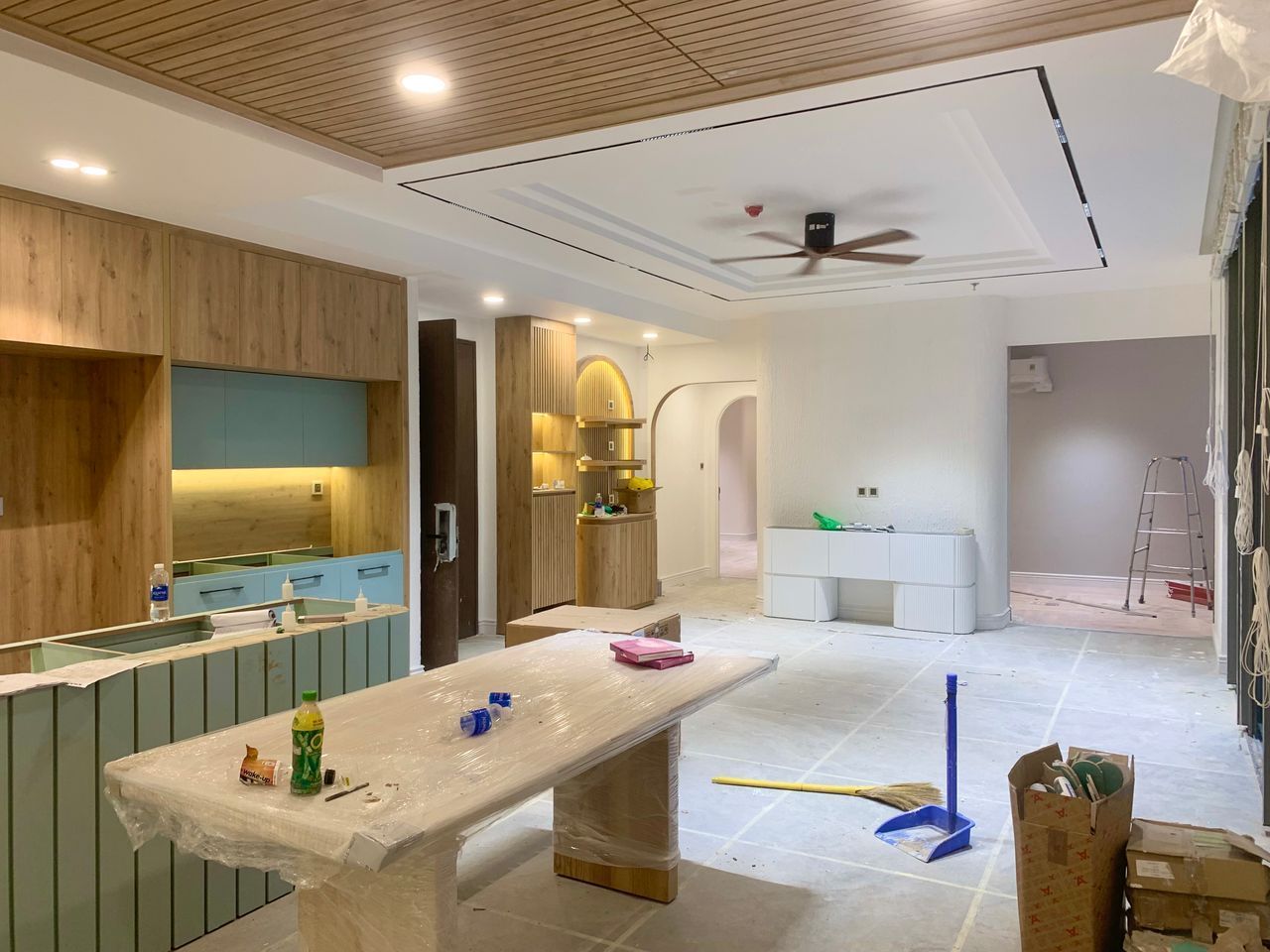
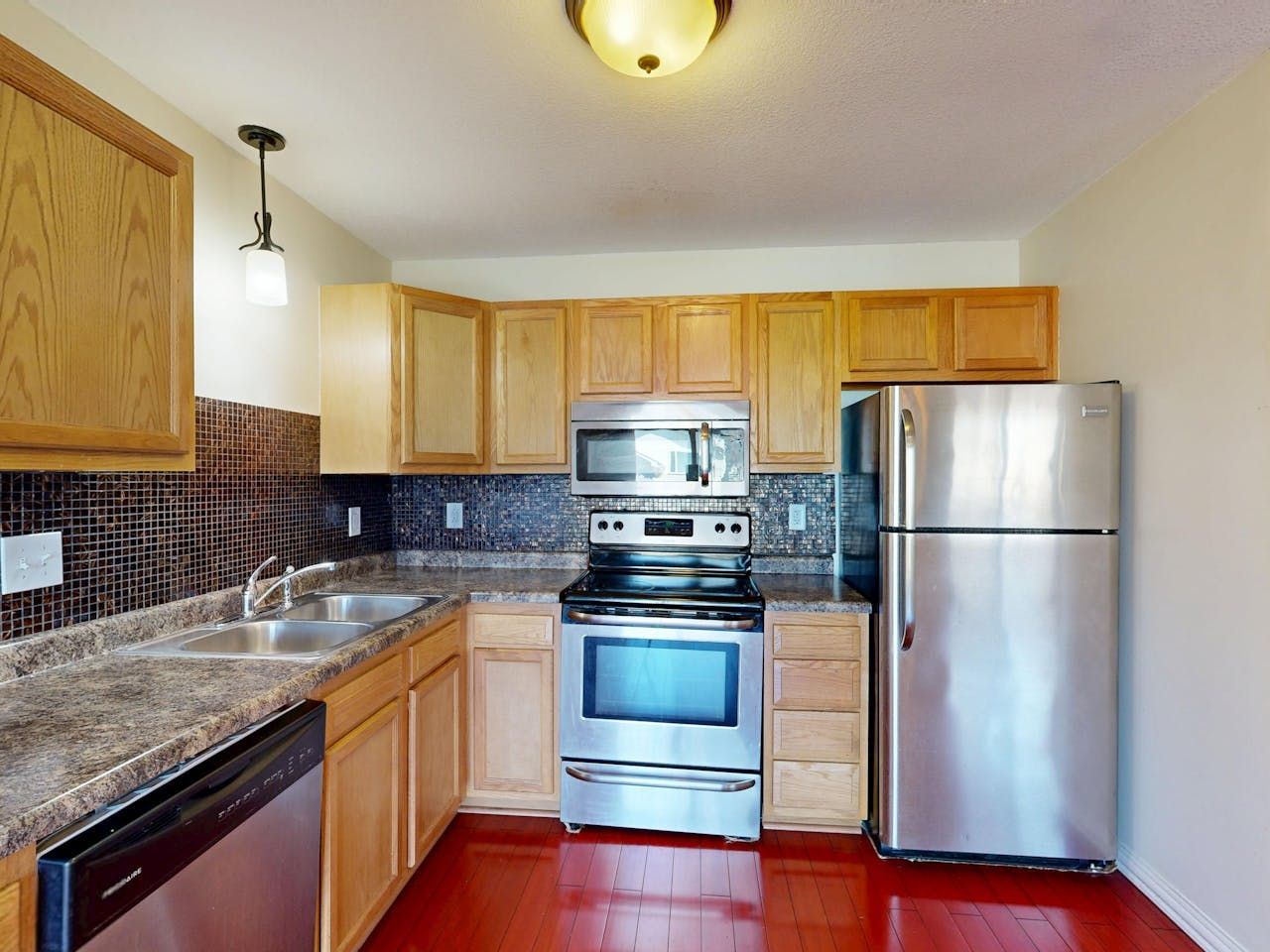
Kitchens and baths sell homes. They're also the rooms you use most, which is why they top almost every remodel wish list. The trick is knowing when a refresh is enough and when a full overhaul makes sense.
A minor kitchen remodel returns more than its full cost at resale nationally — the only interior project to crack the top five in the 2025 Zonda
Cost vs. Value Report. A major upscale kitchen, by contrast, returns about a third of what you spend. That surprises a lot of homeowners. It shouldn't. Buyers care that the kitchen looks current and works well — not that it costs six figures.
Here's how to think about it:
| Project | Minor Refresh | Full Overhaul |
|---|---|---|
| Kitchen | Cabinet refacing, new hardware, countertop swap, fresh paint, updated lighting | New cabinets, new layout, moved plumbing, premium appliances, island add |
| Typical cost band | $15,000–$30,000 | $80,000–$165,000+ |
| Typical ROI | Strong — often 95%+ nationally | Lower — often 35–50% |
| Right for | Sellers, mid-tier homes, homeowners on a budget | Long-term stayers, dated layouts, higher-value homes |
For bathrooms, the same logic applies. A walk-in shower conversion, new vanity, updated fixtures, and fresh tile go a long way. Moving plumbing or knocking out walls only pays off when the existing layout truly doesn't work.
A few rules we follow on every kitchen renovation and bathroom remodel:
- Spend on what you touch every day. Cabinet hardware, faucets, drawer slides, and lighting get noticed.
- Choose materials that age well. Quartz counters, simple white or wood-tone cabinets, and classic tile shapes still look fresh in ten years.
- Skip the trend tax. Bold colors and statement finishes date fast. Save those for paint, textiles, and decor you can swap.
- Match the home's tier. A $40,000 kitchen in a $300,000 home is a stretch. A $40,000 kitchen in a $700,000 home is right on target.
If your kitchen or bath is functional but tired, start with a refresh. If it's working against you every day, an overhaul is worth the conversation.
Adding Livable Square Footage Without Building an Addition
Adding rooms is one path. Making better use of the space you already own is another — and it's usually faster, cheaper, and less disruptive.
Most homes have square footage hiding in plain sight. A basement that stores boxes. A garage that fits one car and a workbench. An attic with headroom no one's measured. Turning that space into something livable can change how the home functions without changing its footprint.
Here are the highest-impact options:
- Basement finishing. A finished basement turns dead square footage into a family room, guest suite, home theater, or rec space. Appraisers value below-grade space differently than above-grade, but buyers see it as a living area — and so will you. Finish your basement and you reclaim a whole floor of the house.
- Garage conversion. A converted garage becomes a home office, guest suite, gym, or studio. Best for two-car garages or homes with driveway and street parking to spare.
- Attic conversion. Worth a conversation if you have the headroom, stair access, and structural capacity. The payoff is a full bedroom or bonus room without expanding the home's footprint.
- Opening up the floor plan. Removing a non-load-bearing wall between the kitchen and living room can make a small home feel twice its size. Load-bearing walls take more planning but are often still doable.
- Dedicated home office. A real office with a door became a buyer must-have after 2020 and hasn't faded. Carving one out of a spare bedroom, dining room, or basement corner pays off whether you're selling or staying.
One thing to keep in mind: square footage only counts when it's done right. Permitted work, proper egress, code-compliant ceilings, and finished surfaces are what separate "livable space" from "extra room with a couch." Cutting corners here costs you at appraisal and at resale.
Low-Maintenance and Energy-Efficient Upgrades Buyers Notice
Not every valuable upgrade is visible. Some of the biggest payoffs happen behind the walls, on the roof, or inside the utility closet. These projects show up on inspection reports, monthly utility bills, and buyer checklists.
Here are the ones that consistently move the needle:
- HVAC replacement. An aging furnace or AC unit is one of the first things buyers ask about. A modern, properly sized system runs quieter, costs less to operate, and removes a major negotiation point at sale.
- New siding. Fresh siding fixes curb appeal and maintenance in one pass. Fiber cement and engineered wood handle Idaho's swings from hot summers to cold winters with less upkeep than older materials.
- Roof condition. A roof near the end of its life flags during inspection every time. If yours is 20+ years old, address it before listing — not after a buyer's report comes back.
- Energy-efficient windows. Newer double- or triple-pane windows cut drafts, lower bills, and quiet the house. They also remove another inspection talking point.
- Low-flow toilets and faucets. WaterSense-labeled toilets use about 20% less water than standard models. The upgrade is cheap, fast, and noticed on every utility bill.
- ENERGY STAR appliances. ENERGY STAR appliances use less energy than standard models without giving up performance. Buyers see the labels. You see the savings.
A note from inspections we've sat through: an HVAC system past its expected life is one of the most common deal-shifters we see. Buyers don't always walk away — but they almost always ask for a credit. Replacing it before listing is usually cheaper than the concession you'd offer.
If you're staying, these upgrades pay you back every month in lower bills and fewer repair calls. If you're selling, they remove the line items that quietly chip away at your final number.
Upgrades Worth It for Daily Life: Even If You're Not Selling
Resale isn't the only reason to remodel. Some upgrades pay off every single day you live there — in less stress, better routines, and rooms that finally work the way you want them to.
These projects rarely top ROI charts. They top something better: the list of things you actually enjoy about your home.
Inside the house:
- Laundry room remodel. A small space with daily payoff. Better storage, a folding counter, smarter layout, and good lighting turn a chore room into one that works for you.
- Closet remodel. A walk-in or reach-in built out with the right shelving, drawers, and hanging space changes how every morning starts.
- Home gym or hobby room. Converting a spare bedroom, basement corner, or part of the garage into a dedicated workout or hobby space removes the friction of going somewhere else to do the thing you love.
- Smart appliances and security cameras. Smart thermostats, video doorbells, and connected lighting add convenience now and won't feel dated at resale.
Outside the house:
- Deck or patio. Outdoor living gets a long season here in the Treasure Valley. A well-built deck, patio, or pergola becomes a second living room from spring through fall.
- Fire pit or outdoor seating area. A simple, defined gathering space extends the evening into the cooler months.
- Outdoor kitchen elements. Even a basic grill station with counter space and storage changes how you host.
These projects let you stop working around the house and start using it the way you want. If a daily friction point keeps bugging you — the closet that won't close, the laundry pile with nowhere to fold, the backyard that goes unused — that's the project to tackle first.
How to Budget So Your Remodel Actually Pays Off
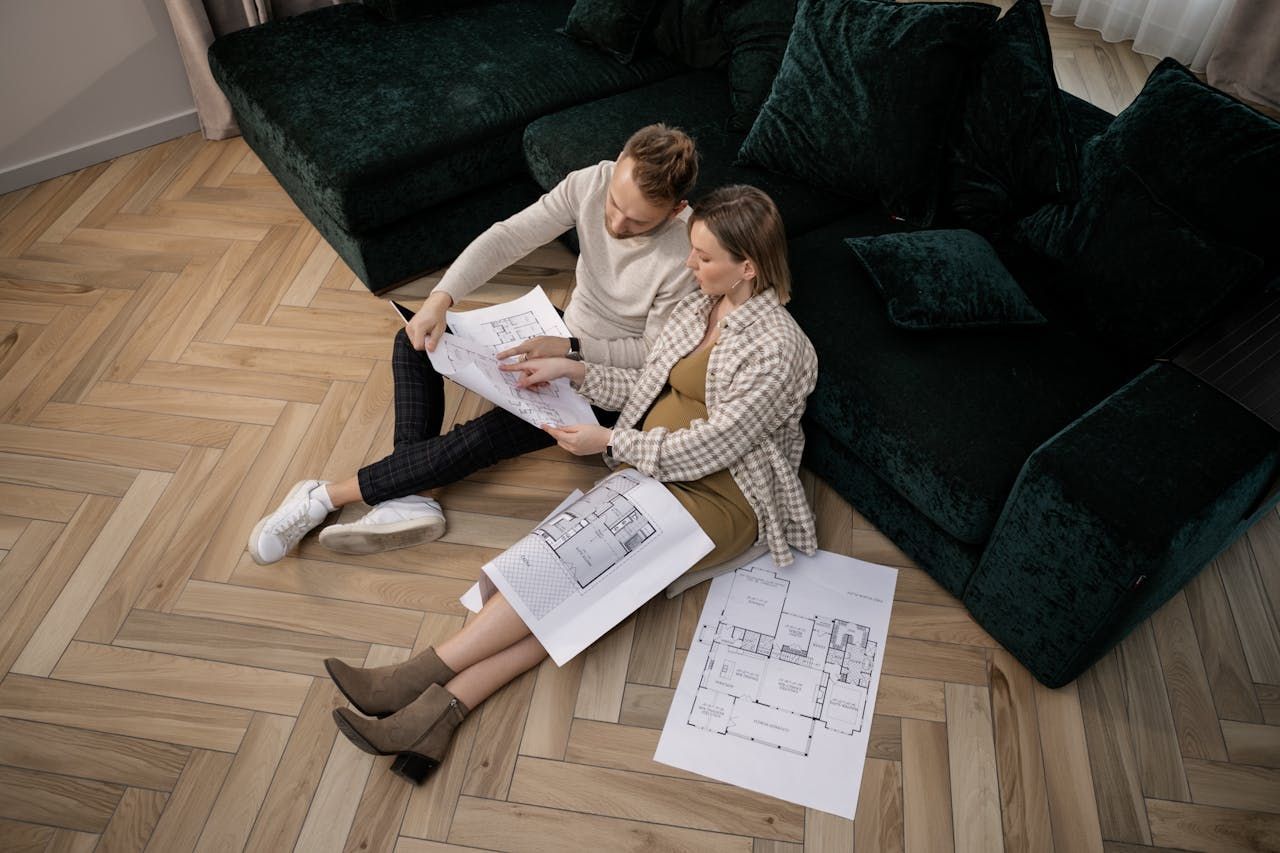
A good remodel starts with a number, not a Pinterest board. The right budget keeps you from overspending on a home that can't carry the value back out — and from underspending on the project you actually need.
Here's how we walk homeowners through it:
- Use the 30% rule as your ceiling. A common guardrail is to keep any single remodel under 30% of your home's current value. Spend more than that and you risk pricing the project above what the home can return. We break this down in detail in our guide to the 30% rule in remodeling.
- Match the project to the goal. Selling in 12 months? Lean toward minor refreshes, curb appeal, and anything that removes inspection flags. Staying 10+ years? Spend on the rooms you live in and the upgrades that improve daily life.
- Watch the neighborhood ceiling. If most homes on your street sell in a certain range, a $100,000 kitchen won't carry the home above that ceiling. Buyers pay for the neighborhood as much as the house.
- Decide between a general contractor and piecemeal trades. Hiring trades one by one can work for small, single-room projects. For anything touching multiple rooms, structural changes, or permits, a general contractor coordinates the schedule, the trades, and the inspections — so you don't have to.
- Get a real plan before you spend.
A free in-home consultation should leave you with three things: a clear scope, a realistic budget range, and a timeline. If it doesn't, keep looking.
At ATP Construction LLC, we start every project with a free in-home consultation, build a clear plan around your goals and budget, and walk you through transparent pricing before any work begins. You'll know what you're paying for, when each phase happens, and what the finished space will look like.
Ready to talk through your project? Call (208) 741-4371 or schedule a free in-home consultation today!