10 Remodel Regrets Real Homeowners Wish They'd Avoided
The remodel is done. It looks great in photos, and friends love the reveal. Then you live in it for six months, and one small thing starts to bug you every day.
You're not alone in that feeling. In one survey of 1,000 homeowners, 74% who remodeled in the past five years said they had regrets. Most weren't about big design flaws. They came from small choices that felt fine on paper but wear on you over time.
The good news is that almost all of them are easy to prevent. You just have to think about them before the work starts, not after.
Before you start your remodel, here are the ten things real homeowners say they'd do differently. You can plan around them now instead of living with them later.
We'll walk from the most common regret — storage — through lighting, electrical, layout, and finishes. Each one ends with a quick fix to raise with your contractor before the first wall comes down.
What Is the Most Common Remodel Regret?
The most common remodel regret is not adding enough storage. Homeowners say they wish they had planned more cabinets, closets, and built-ins while the walls were already open.
Adding storage later costs far more. It also means tearing into rooms you just finished.
Other top regrets include too few electrical outlets, poor lighting placement, and skipping a real-life walkthrough before final sign-off. Almost all of these are preventable. You just review the plan room-by-room with your contractor before work begins.
Why Remodel Regrets Happen (and How to Dodge Them)
Most regrets don't come from bad taste or a bad crew. They come from one simple gap: you didn't think about how you'd actually use the space.
A choice can look smart on a plan. Then you live with it for years, and the daily friction adds up. A missing outlet here, a dark corner there, a closet that's six inches too short.
Here's where most regrets come from:
- Decisions made fast to keep the project moving
- Focusing on how a room looks, not how it works
- Planning for today instead of the next ten years
- Skipping the boring details that matter most later
We catch a lot of this in the planning stage. Before we draw up a final plan, we walk each room with you and talk through your daily routine. Where you drop your keys, how you cook, who uses which space. Those small questions head off the regrets you'd feel later.
Storage tops the list — but it's closely followed by something you literally can't see at night.
Regret #1: Not Adding Enough Storage
Storage is the number one thing homeowners wish they'd added more of. Open walls are the cheapest time to build it in, so the smart move is to plan it before drywall goes up.
Once a room is finished, adding a closet or built-in means tearing back into it. That costs more and creates a second mess. Building it during the remodel is far easier on your budget.
Think through each room and where things pile up. A few storage adds pay off every single day:
- Pantry space in the kitchen
- A deeper linen or coat closet
- Built-in shelves around a fireplace or window
- Drawers under a staircase
- Bench seating with hidden storage
One tip before you plan: measure what you already own. Count your pots, your towels, your gear. Build for what's real, not a guess.
Smart storage also helps at resale. Buyers notice closets and cabinets right away. If a kitchen is part of your project, our kitchen remodeling services build storage into the design from the start. For closets, basements, and whole-house storage, our remodeling team plans it in from day one.
Once your storage is mapped out, the next regret hides in plain sight — the lighting.
Regret #2: Underestimating Lighting and Natural Light
Lighting is a remodel decision, not an afterthought. Many homeowners finish a project and realize whole corners of a room sit in shadow.
The fix is to plan light in layers. Each type does a different job, and a good room uses all three:
- Task lighting for work zones, like under cabinets or over a desk
- Ambient lighting for the overall glow that fills the room
- Accent lighting to highlight art, shelves, or a feature wall
Add dimmers while you're at it. They let one room shift from bright and busy to soft and calm. It's a small cost during the remodel and a daily win after.
Natural light matters just as much. The remodel is your chance to add a window, widen one, or put in a skylight. Once the walls are closed, those options get expensive.
Walk each room at different times of day before you finalize the plan. Note the dark spots now, while they're still easy to fix.
Once the lighting's right, the next regret hides behind the walls.
Regret #3: Skipping Electrical and Outlet Updates
When the walls are open, electrical work is simple and cheap. After they close, adding a single outlet can mean cutting into fresh drywall and paint.
Most homeowners wish they'd added more outlets. Older homes especially run short, and our daily charging habits have only grown.
Before the drywall goes up, confirm a few things with your contractor:
- Enough outlets on each wall, not just one or two
- USB or charging spots where you sit and work
- Power on a kitchen island, if your plan has one
- Outdoor outlets for tools and string lights
- A panel that can handle your new load
That last point matters. An older electrical panel may not have room for new circuits. It's better to learn that during planning than mid-project.
Before we close any wall, we do a final electrical check with you. We confirm outlet counts, switch spots, and any future needs you mentioned. It's a five-minute review that saves a costly callback later.
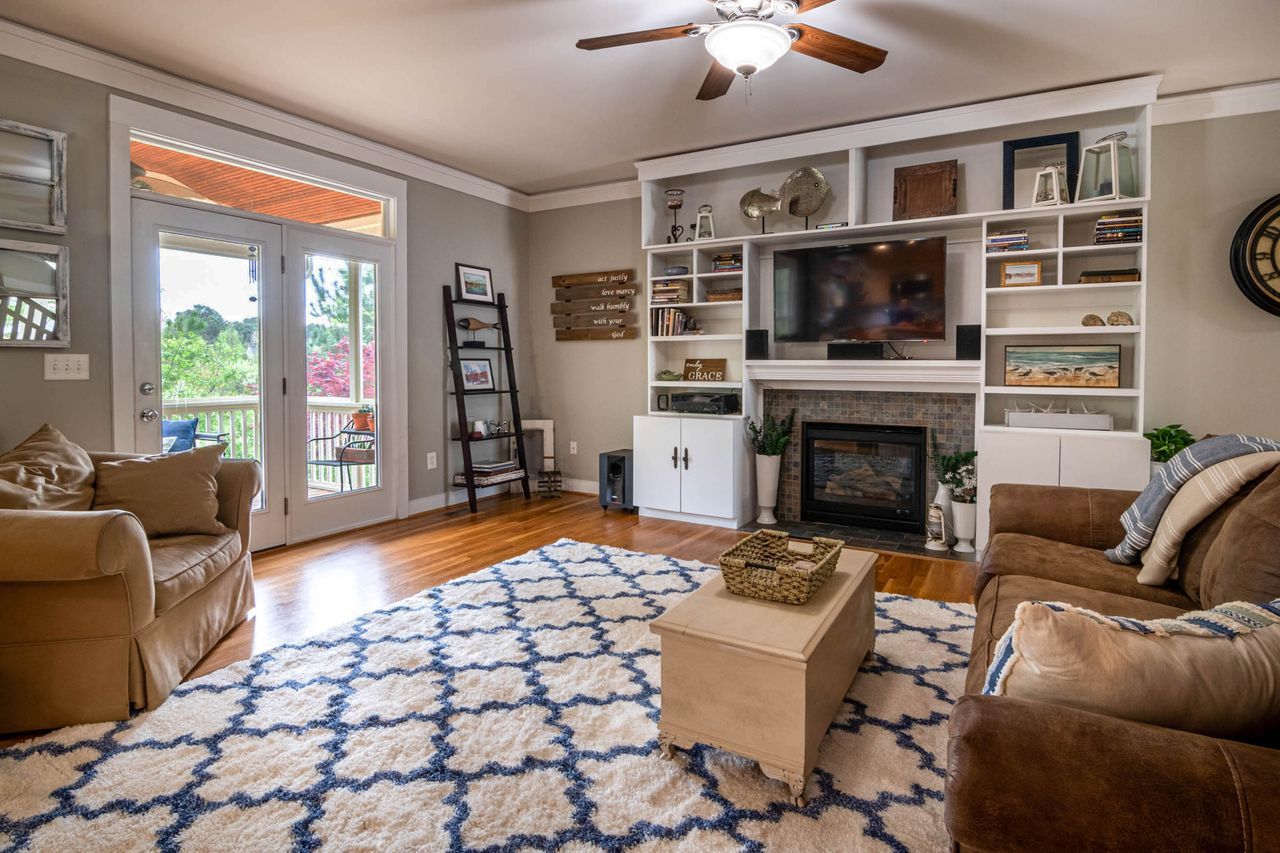
Regret #4: Designing the Room for Now, Not for How You'll Live
A room built for this year can feel wrong in three. Your family grows, your work changes, and a space that fits one need stops fitting the next.
The fix is to plan for flexibility. Rooms that can shift jobs save you a future remodel.
| Designed for now | Designed to adapt |
|---|---|
| A nursery with built-in cribs | A bedroom that becomes a kid's room, then a guest room |
| A closed-off home office | An office that doubles as a guest space with a fold-down bed |
| A formal dining room used twice a year | An open space that flexes between dining and gathering |
| A single-purpose craft room | A bonus room with movable furniture and good outlets |
Think about the next five to ten years, not just today. Will a child move out? Will a parent move in? Will you work from home more?
You don't have to predict everything. You just build in a little room to change. A few extra outlets, a wider doorway, or a neutral layout keeps your options open.
The best rooms grow with you instead of locking you in.
Regret #5: Forgetting the Drop Zone or Mudroom
Daily clutter has to land somewhere. Without a set spot, it lands on your counters, your stairs, and your floors.
A drop zone fixes that. It's a small area near your busiest door where shoes, bags, and keys have a home. Homeowners who add one wonder how they lived without it.
You don't need a big room. Even a few feet of wall can hold the basics:
- Hooks for coats, bags, and leashes
- A bench for pulling shoes on and off
- Cubbies or baskets for each person
- A shelf or tray for keys and mail
- A spot for boots that catches dirt and snow
Pick durable materials here. This corner takes daily abuse from wet shoes and heavy bags. Tile or sealed flooring holds up better than carpet.
A drop zone has a small footprint but a big daily payoff. It keeps the rest of your home calm.
Regret #6: Not Planning for Aging in Place
The remodel is your best chance to plan for the future. Many homeowners wish they'd added a few simple features while the work was already underway.
You may not need them now. But adding them later means a second project, and that's the regret. Built in during the remodel, they cost very little.
A few low-cost adds make a home easier to live in for years:
- A curbless shower you can walk right into
- Wider doorways that fit a walker or wheelchair
- Solid blocking in walls for future grab bars
- Lever door handles instead of round knobs
- A full bathroom and bedroom on the main floor
The blocking tip is the smartest one. It's just wood added inside the wall before drywall. You may never use it, but if you do, the support is already there. The NAHB
aging-in-place checklist lists this same step among its top recommendations.
These features help at resale too. Buyers of all ages value a home that's easy to move through.
Future-proofing is practical — but the next regret is purely about taste.
Regret #7: Choosing Trendy Over Timeless
A bold trend feels exciting on install day. Two years later, it can feel dated and tired. Then you're paying to redo work you just finished.
The fix is simple. Keep the big, costly items neutral. Save the trends for things you can swap cheaply.
| Keep timeless | Save trend for |
|---|---|
| Cabinets and countertops | Paint colors |
| Tile and flooring | Cabinet hardware |
| Bathtubs and sinks | Light fixtures |
| Layout and built-ins | Rugs, art, and decor |
A neutral core lasts for years. You can refresh the look anytime by changing a few low-cost pieces. New paint and new hardware can shift a whole room.
This protects your resale value too. Buyers picture their own style in a neutral space. A very bold finish can turn them away or knock down their offer. For a fuller look at where your dollars pay off, see our guide to what adds the most value to a house.
Pick the trend you love, but put it somewhere you can change. That way you enjoy it now without paying to undo it later.
Finishes are personal — which is exactly why this next regret stings.
Regret #8: Leaving Outdoor Living Out of Scope
Many homeowners focus only on the inside. Then they finish and wish they'd extended the project out the back door.
Your outdoor space is part of how you live. A remodel is the right time to connect it to the rooms you just improved. Here in Idaho, a good outdoor space stretches your usable square footage across the warmer months.
A few things to think through while you plan:
- How your kitchen or living room flows to the outside
- Wide doors that open the indoor space to a deck or patio
- A covered spot for shade in summer and cover in spring rain
- Lighting and power so the space works after dark
- A surface that handles our hot summers and cold winters
The flow matters most. When the inside and outside connect well, both spaces feel bigger. A wall of glass or a wide slider does a lot of that work.
The next regret is one you can't see at all — but you'll feel it every day.
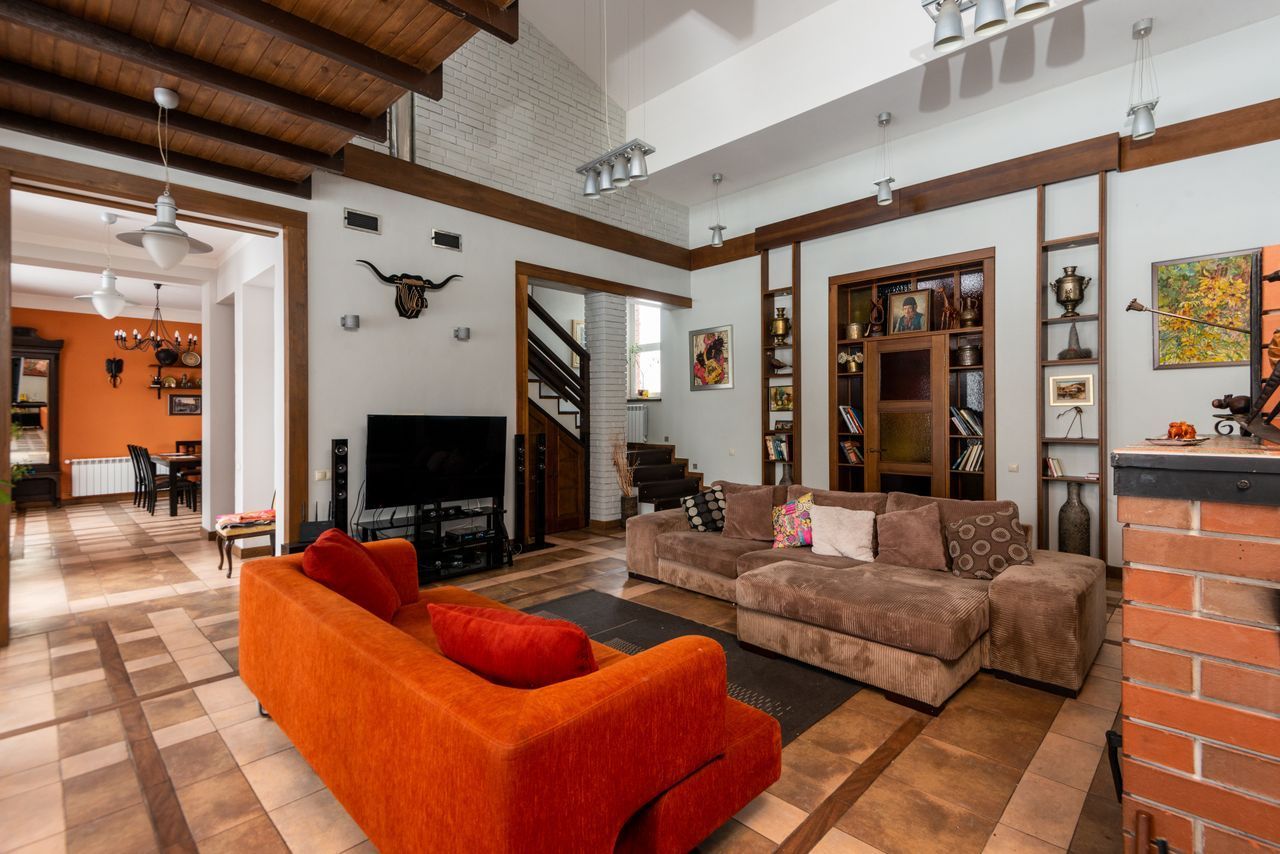
Regret #9: Not Improving Insulation or Soundproofing
This is the upgrade you never see but always feel. With the walls open, it's the perfect time to add insulation and soundproofing. Skip it, and you won't get this chance again without tearing back in.
Many homeowners regret a drafty room or thin walls after the fact. The work hides inside the walls, so it's easy to leave out of the budget. But it shapes your daily comfort for years.
A few places it pays off:
- Exterior walls, to hold heat in winter and out in summer
- Walls around a bedroom or office for quiet
- Floors above a living room or media space
- Around noisy spots like a laundry room or HVAC unit
Better insulation also lowers your energy bills. A well-sealed room holds its temperature, so your system works less. That comfort adds up month after month.
You only get this window once. Once the drywall is up, adding insulation means opening the wall all over again.
The last regret is the one homeowners are most surprised they missed.
Regret #10: Skipping the Real-Life Walkthrough
The biggest regret comes from rushing the final sign-off. Homeowners approve a finished space, then spot a layout problem they could have caught early.
A real-life walkthrough fixes that. Before the work is final, you walk the space and picture your daily life in it. It's the cheapest insurance in the whole project.
Here's how to do it well:
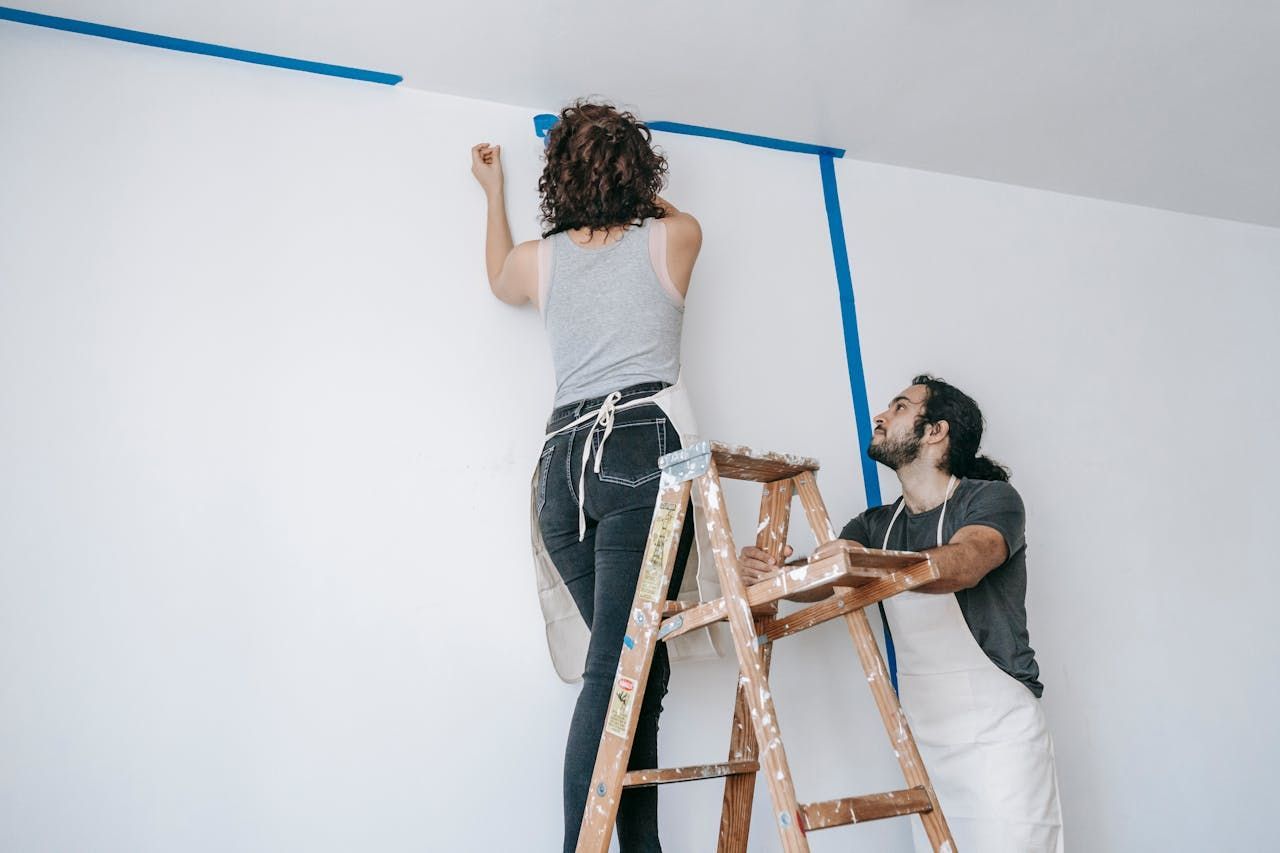
- Tape out the layout on the floor before anything is built.
- Walk your normal path through the room, morning and night.
- Test every door swing for clearance and clutter.
- Stand where you'll cook, work, or relax and check the view.
- Confirm outlet and switch spots match how you'll use them.
- Build a punch list of every fix, big or small.
Small things show up fast this way. A door that hits a cabinet. A switch behind an open door. A walkway that's too tight. All easy to move now, hard to move later.
We build this into every project. Near the end, we walk the space with you and review a shared punch list together. Nothing gets called done until you've stood in it and signed off.
With the regrets covered, here's how to keep all ten off your own list.
How to Avoid These Regrets Before You Start
Every regret on this list is preventable. The trick is to plan for them before the first wall comes down, not after you've moved back in.
Bring this list to your planning meeting. Use it to ask better questions and pin down the details that matter most. Here's where to start:
- Walk every room and map where you need storage.
- Plan lighting in layers and note your dark corners.
- List every outlet and switch before the drywall closes.
- Ask how each room can flex as your life changes.
- Add a drop zone near your busiest door.
- Build in low-cost aging-in-place features now.
- Keep big finishes neutral and save trends for small swaps.
- Connect your indoor and outdoor space.
- Add insulation and soundproofing while walls are open.
- Do a real-life walkthrough before you sign off.
Most of all, pick a contractor who plans room-by-room with you. The right partner surfaces these regrets in the planning stage, while they're still easy to fix.
Ready to plan a remodel with none of these regrets? Contact ATP Construction LLC and let's build a space you'll love living in, not just looking at.