What Devalues a House the Most? 9 Mistakes to Avoid Before Your Next Remodel
In a Zillow survey, 84% of first-time home sellers said they wish they had done something differently before listing. The wrong project can quietly pull thousands off your final sale price. You finish the work, list the home, and the offers come in lower than the comps suggested.
This guide breaks down what devalues a house the most. You will learn smarter remodeling and renovation choices that protect your investment in Star and across the Treasure Valley. At ATP Construction LLC, we walk owners through these decisions every week.
Below you will find the nine biggest value-killers we see in Ada County homes. We cover DIY mishaps, skipped permits, and overly personal design choices. You will also see how a careful remodel can fix or prevent each one.
What Devalues a House the Most?
The things that devalue a house the most are deferred maintenance, unpermitted work, poor DIY remodeling, outdated kitchens and bathrooms, bold or unusual design choices, a cluttered or damaged exterior, structural issues, removed bedrooms or closets, and over-improving for the neighborhood. Most of these come down to two things. You skipped professional help on a big project, or you made changes that only fit your taste, not the next buyer's.
The good news is most value-killers are fixable. A planned remodel by a licensed contractor, with permits pulled and broad-appeal finishes, can recover thousands at resale.
The Biggest Value-Killers You Can Actually See
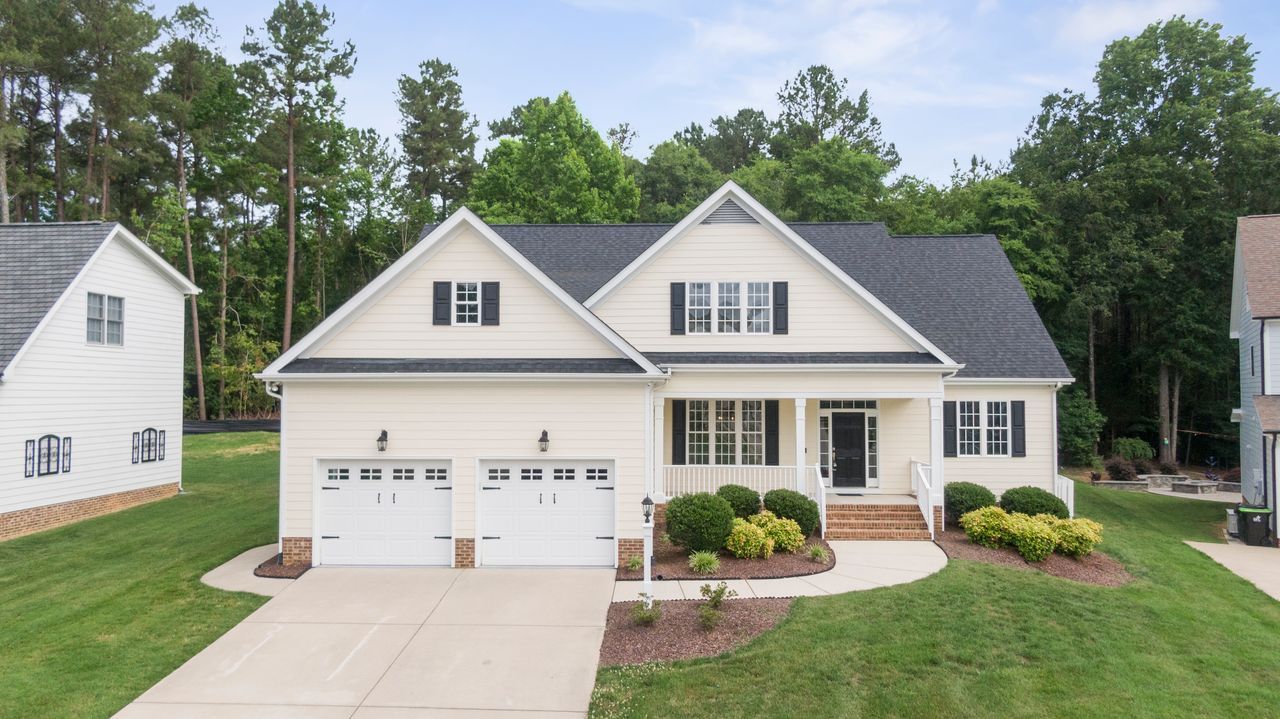
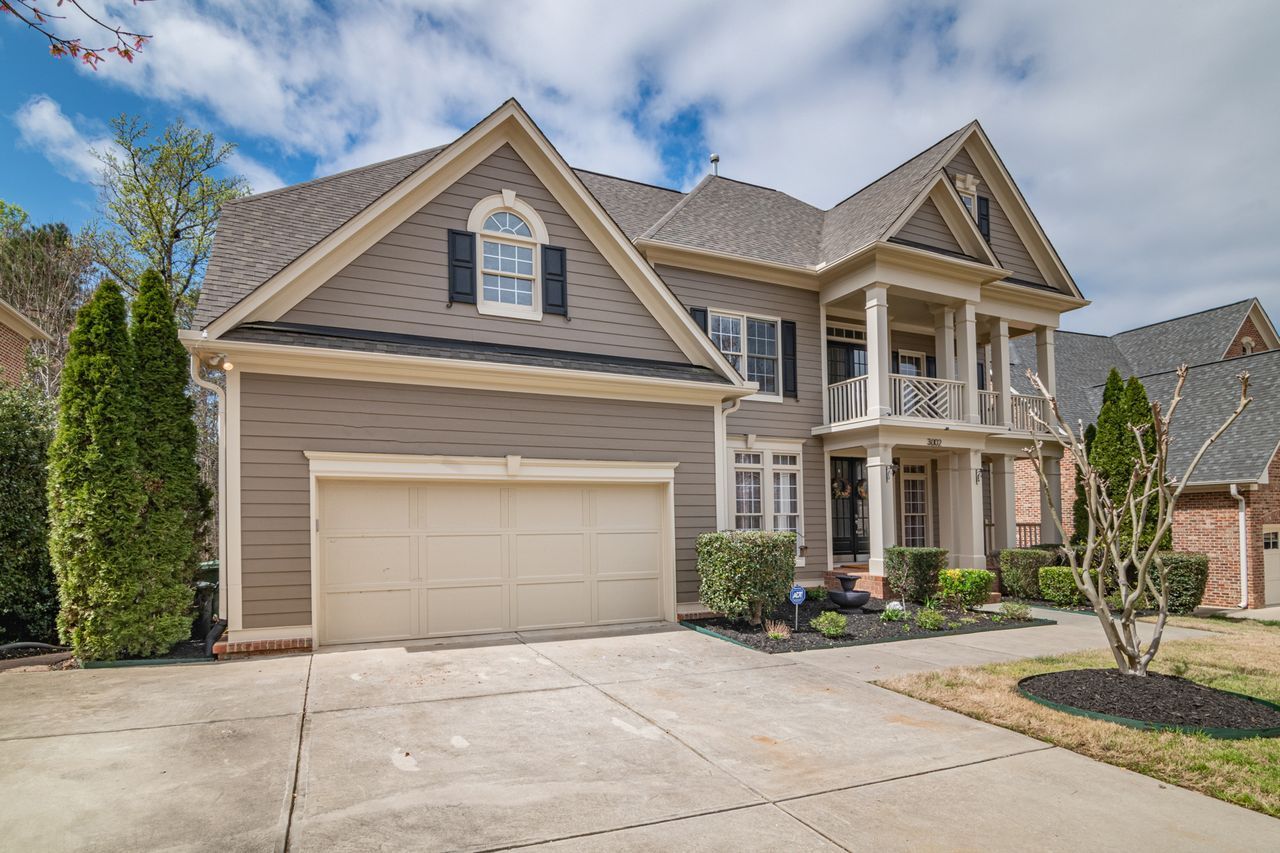
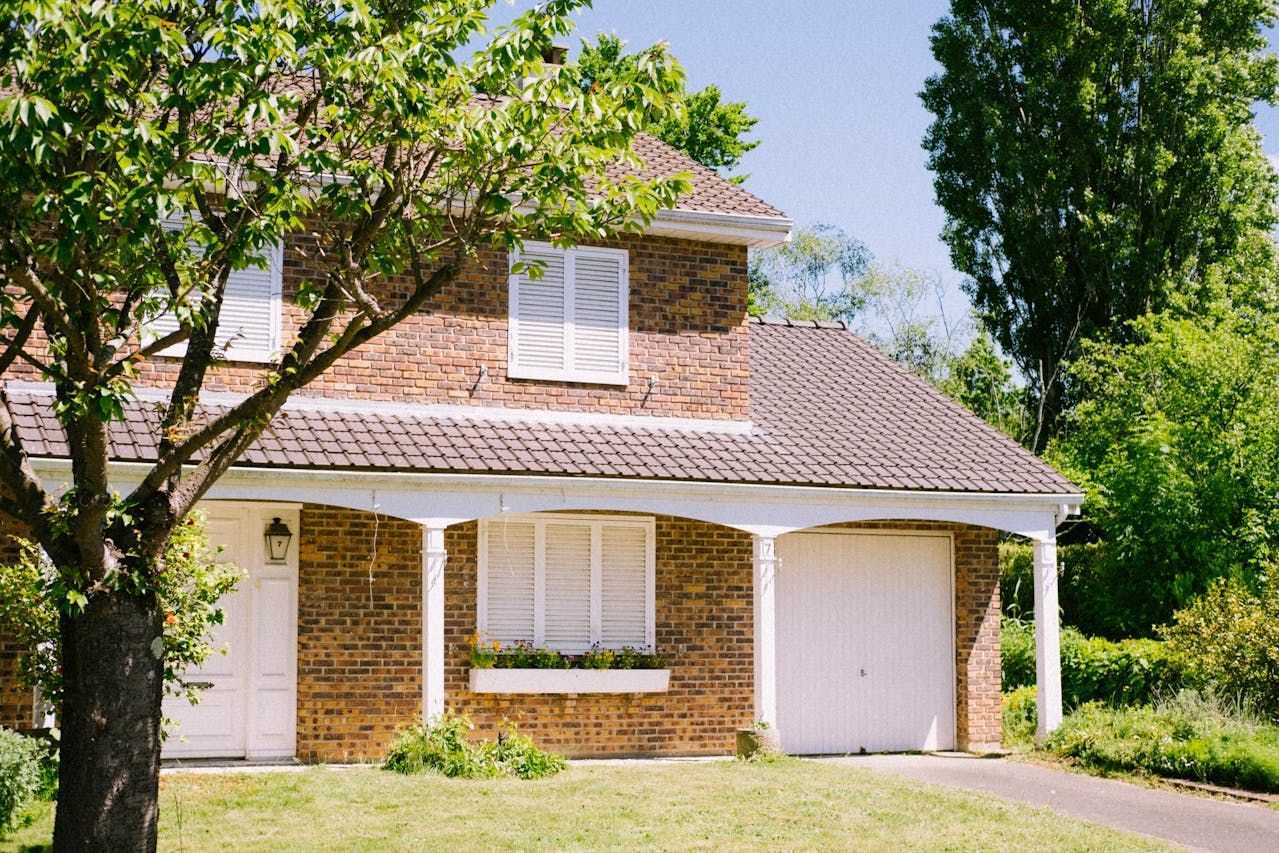
Buyers form an opinion in the first 30 seconds. Most of that opinion comes from what they can see from the street and the front door. If the outside looks tired, they assume the inside is worse.
Curb appeal problems are the fastest way to lose money on your sale. Peeling paint, a dead lawn, and a broken fence signal neglect. Sagging gutters, missing shingles, and water stains tell buyers the home has not been cared for.
Bold paint colors hurt resale too. A bright red dining room or a deep purple bedroom narrows your buyer pool. Most buyers want a neutral canvas they can picture as their own.
Online listing photos make this worse. A cluttered yard, faded siding, or a stained driveway shows up in every photo. Buyers scroll past before they ever read the listing.
Here are the curb appeal red flags we see most often on Star and Eagle homes:
- Peeling exterior paint or stained siding
- Dead grass, overgrown shrubs, or weeds in the beds
- Broken fence boards, leaning posts, or rusted gates
- Sagging gutters and downspouts pulling away from the house
- Missing or curled roof shingles
- Bold interior paint colors that show in listing photos
- Cluttered porches, driveways, or side yards
We see these problems on almost every remodel walkthrough in the Treasure Valley. Most owners have stopped noticing them. A fresh coat of paint, clean landscaping, and small exterior repairs often pay back several times over at sale.
Unpermitted Work and DIY Renovation Mistakes
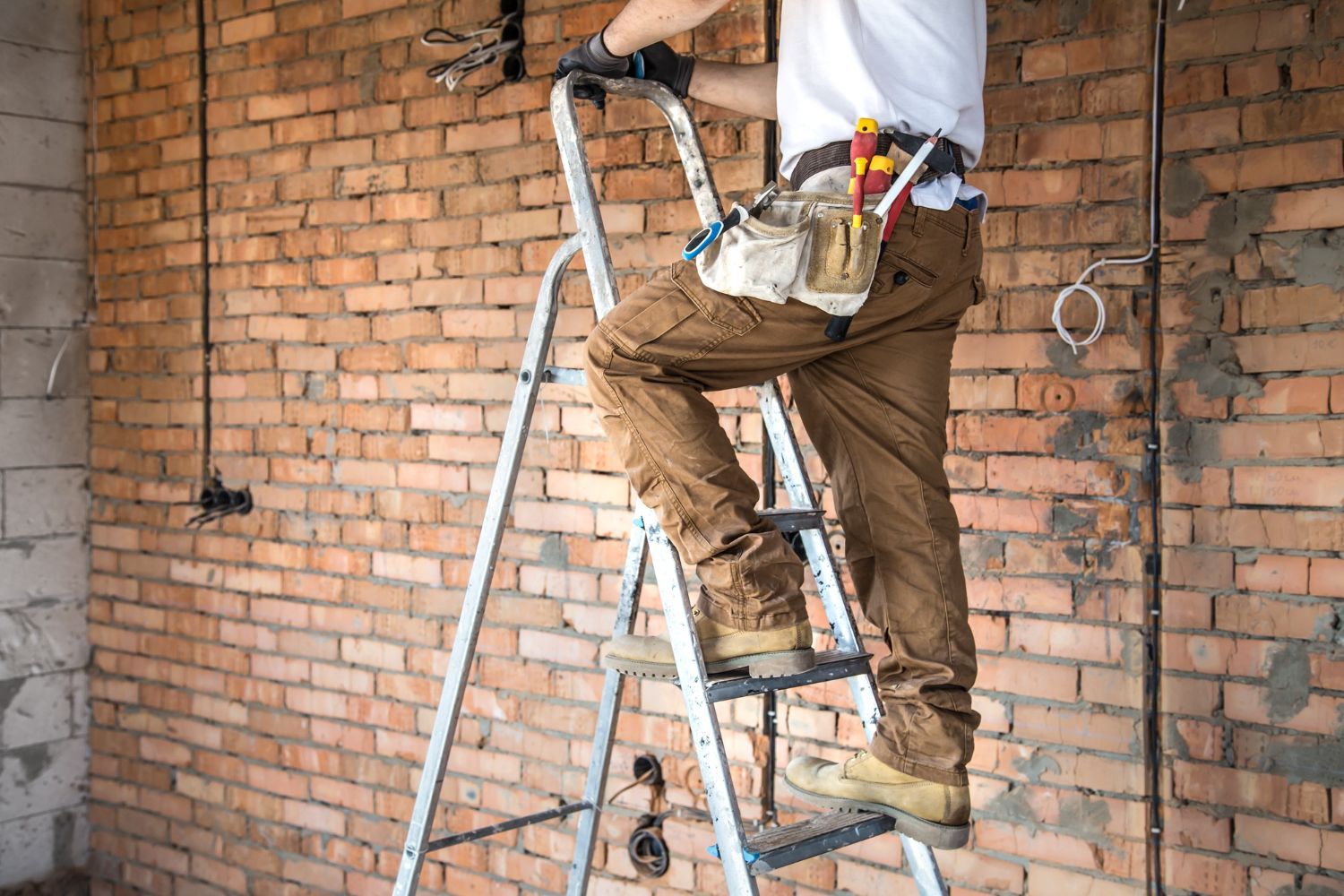
Unpermitted work is the single biggest hidden devaluer we find on Star homes. A finished basement, a converted garage, or a new bathroom without a permit can fail inspection and block your closing. Lenders and buyers are paying closer attention to this every year.
DIY renovation mistakes are a close second. The "I'll just save money and do it myself" plan often costs more at resale than hiring a pro from the start. Buyers spot poor workmanship fast, and inspectors flag it faster.
The most common DIY failures we see in Ada County homes:
| DIY Mistake | Inspection Consequence |
|---|---|
| Uneven or cracked tile work | Buyer requests credit or replacement |
| Exposed or improper wiring | Failed inspection, electrician required |
| Plumbing leaks behind walls | Water damage, mold, repair credit demand |
| Unpermitted bathroom or bedroom | Square footage removed from appraisal |
| Sagging deck or missing flashing | Safety call-out, possible rebuild |
| DIY HVAC or gas line work | Failed inspection, code correction required |
Unpermitted square footage is the costliest of these. If you added a bedroom or finished a basement without a permit, the appraiser may not count it. You lose the value of the room, the cost of the work, and often the cost to bring it up to code.
A licensed remodeler pulls the right permits in the City of Star and Ada County. We handle inspections, code requirements, and final sign-off. That paperwork protects your resale value and your buyer's lender.
For a clear look at when each type of project applies, see our guide on the difference between remodeling and renovation.
Outdated Kitchens, Bathrooms, and Layouts
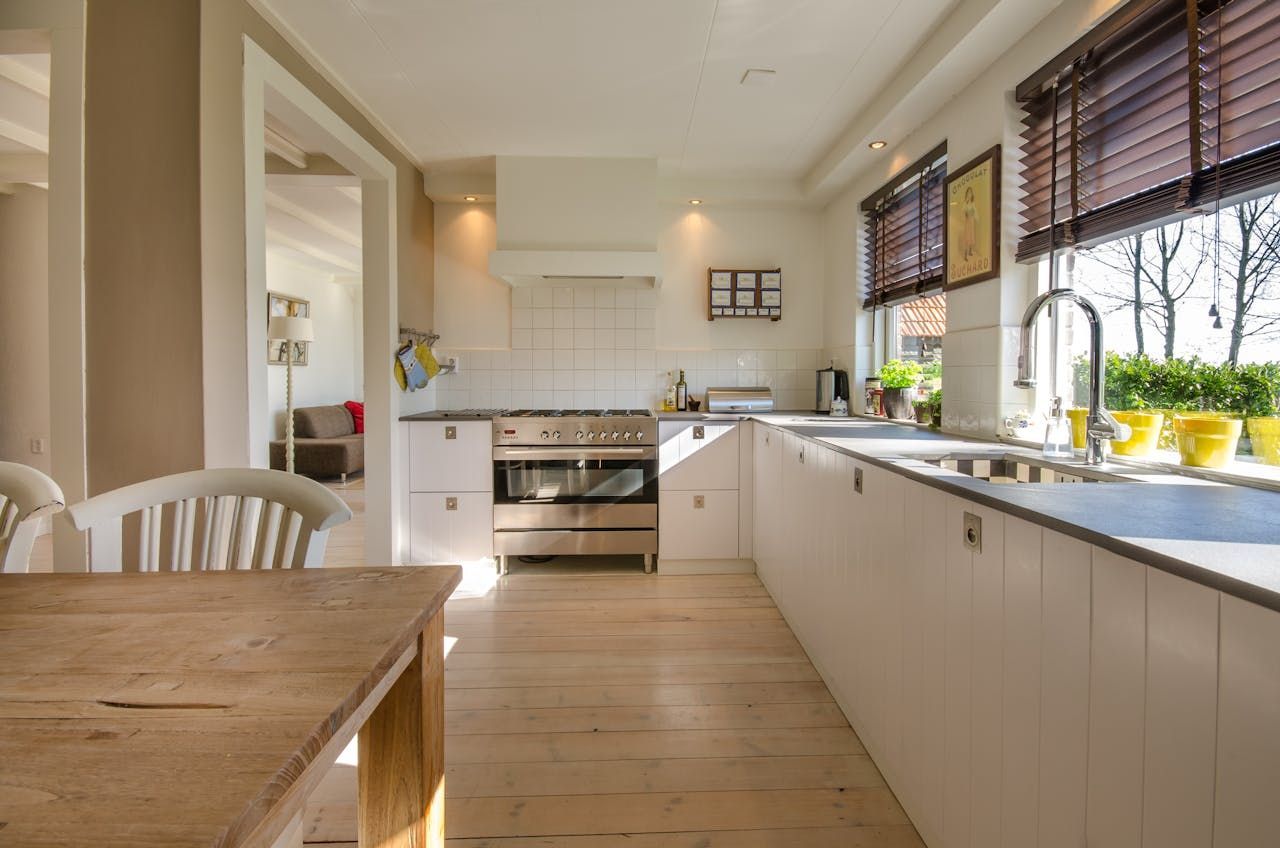
Kitchens and bathrooms drive home value more than any other room. Buyers walk into both within the first few minutes. If they look dated, the whole house feels dated, no matter how nice the rest is. The
2025 Cost vs. Value Report from Zonda
confirms it. A minor kitchen remodel is the only interior project in the national top five for resale return.
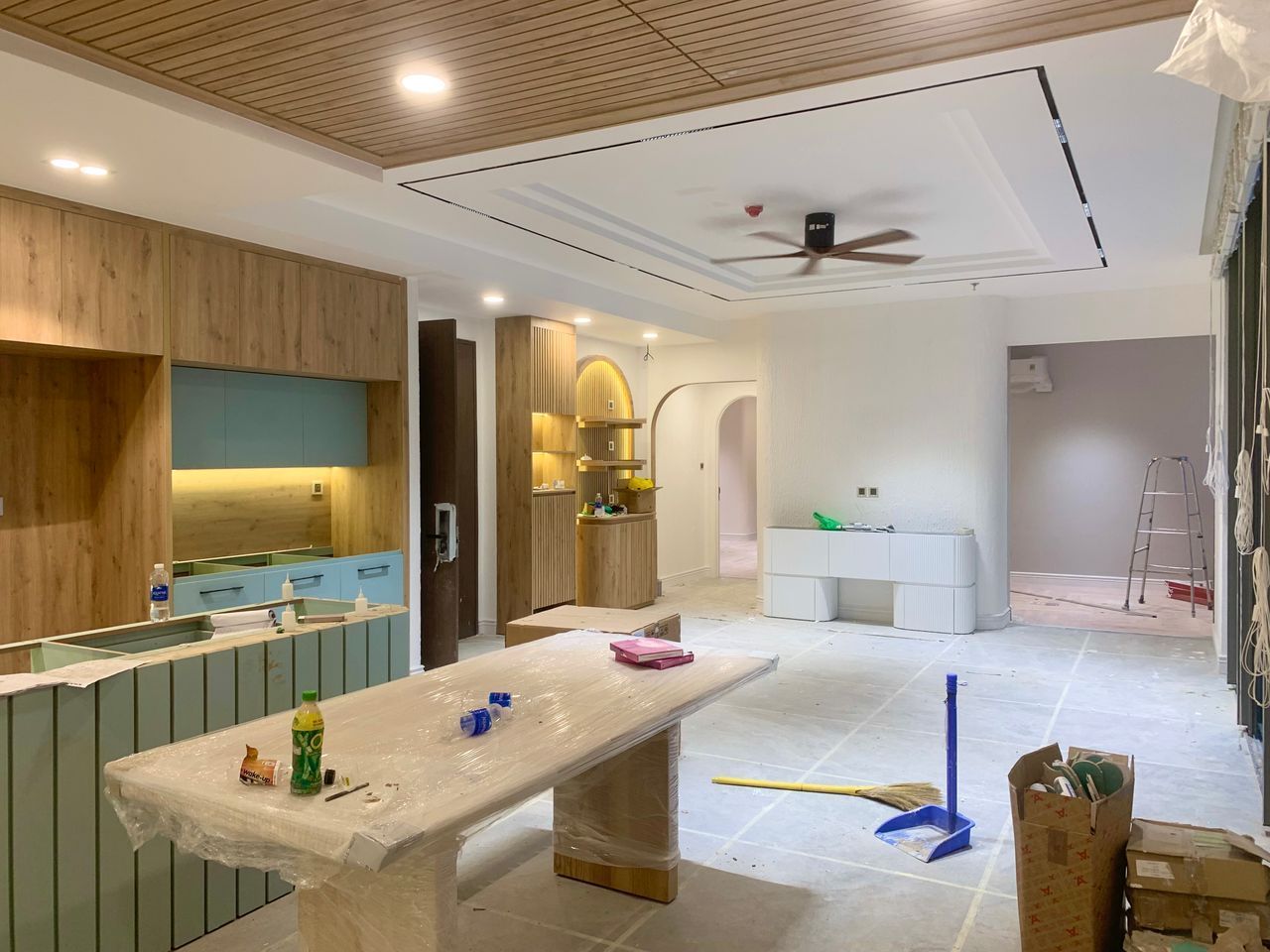
You do not always need a full gut job. Cosmetic updates handle most of the work when the layout still functions. New countertops, fresh cabinet fronts, updated lighting, and modern fixtures can shift a kitchen from tired to current. The same goes for bathrooms with a new vanity, tile surround, and shower glass.
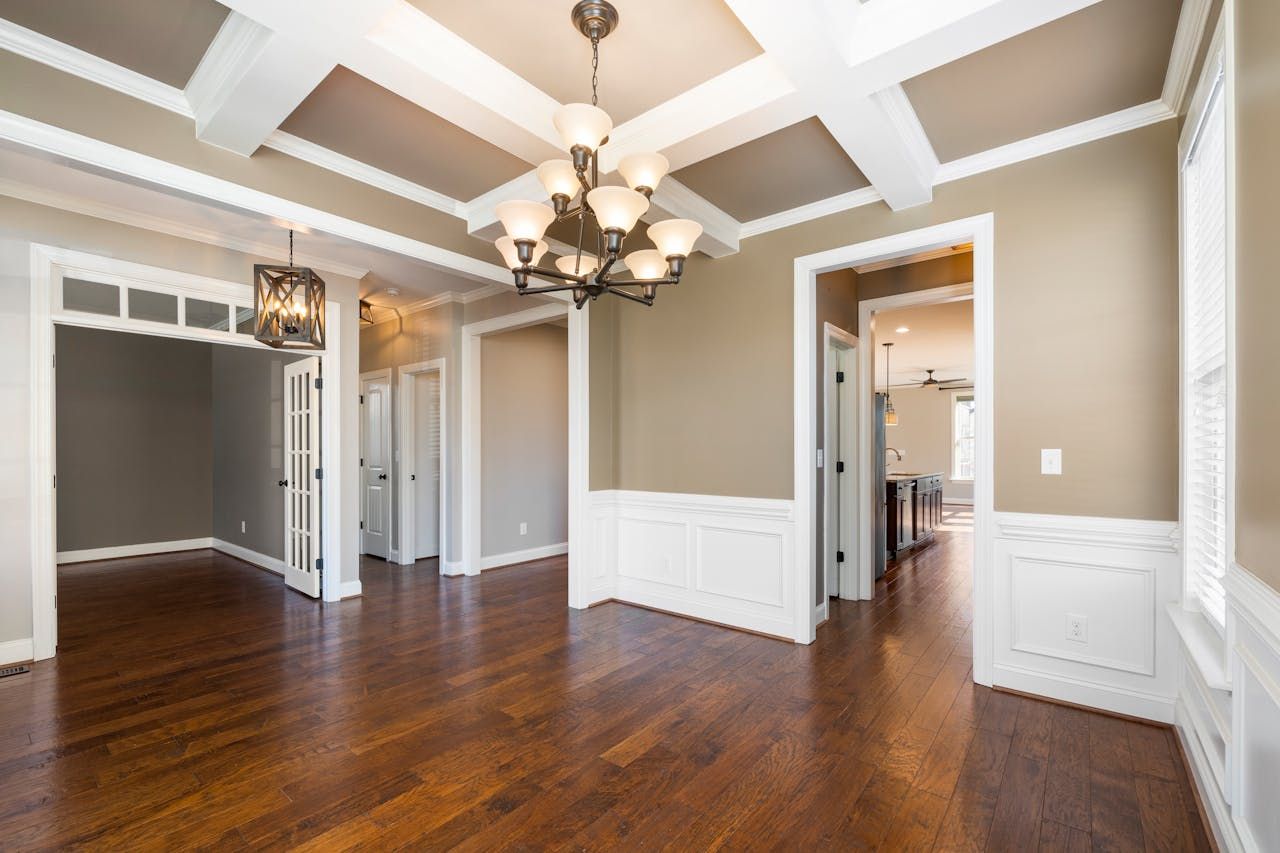
Structural updates matter when the layout itself fights the house. Closed-off floor plans feel small and dark to today's buyers. Removing a non-load-bearing wall between the kitchen and living room often adds more perceived value than any finish upgrade.
Updates that read modern to Treasure Valley buyers:
- Lighter cabinet colors with simple, clean hardware
- Quartz or granite counters in neutral tones
- Subway tile, large-format tile, or simple stacked patterns
- Walk-in showers with clear glass instead of old tubs
- Updated lighting with warm LED fixtures
- Refinished or replaced flooring in a consistent material
- Open sightlines between the kitchen, dining, and living areas
We see this often on homes built in the early 2000s. The bones are solid, but the finishes and layout feel ten years behind the comps. A planned remodel brings the home back in line with what buyers in your price range expect.
Renovation Choices That Backfire
Some of the worst value-killers start with good intentions. You customize the home for how you live, not how the next buyer lives. The work looks great to you and costs you money at closing.
Here are the renovation choices that backfire most often, ordered by how much they hurt resale:
- Removing a bedroom.
Converting a bedroom into a gym, office, or oversized closet drops your appraised value. Appraisers and buyers count bedrooms first. A 4-bedroom home that becomes a 3-bedroom loses a full tier of comps.
- Removing closets.
Storage matters to buyers and appraisers. Tearing out a closet to expand a room almost always costs more than it gains.
- Garage conversions without permits.
A converted garage can work if it is permitted and reversible. Without permits, or with framing that cannot be undone, you lose both the garage and the added square footage on the appraisal.
- Over-personalized finishes.
Themed rooms, bright accent tile, and ultra-trendy colors narrow your buyer pool. What feels bold today reads dated in five years.
- Over-improving for the neighborhood.
Spending $80,000 on a kitchen in a $300,000 comp area rarely returns the full cost. Your home can only sell for so much above the block.
The last one trips up the most homeowners. You want the kitchen of your dreams, and you should have a kitchen you love. But there is a ceiling on what any one home can return in any one neighborhood. A smart budget keeps your remodel inside that ceiling.
Structural and Safety Issues Buyers Won't Overlook
Structural and safety problems do more than lower offers. They kill deals. A buyer can talk themselves into dated paint or worn carpet. They will not talk themselves into a cracked foundation or a 25-year-old roof.
The five inspection red flags that scare buyers off:
- Foundation cracks, settling, or moisture in the crawlspace. Any sign of structural movement triggers a second inspection and often a price cut.
- Roof age and condition. A roof past 20 years, with missing shingles or visible sagging, is a top inspection callout in Ada County.
- Old or unsafe electrical. Knob-and-tube wiring, undersized panels, and double-tapped breakers fail inspection and worry lenders.
- Plumbing leaks and water damage. Stained ceilings, soft drywall, and corroded supply lines signal hidden problems behind the walls.
- HVAC at end of life. A furnace or AC unit past its expected lifespan tells buyers a major expense is coming soon.
Most of these issues build slowly. You stop noticing the soft spot near the toilet, the stain under the eave, or the warm room on the second floor. A buyer's inspector finds all of it in two hours.
We see these problems on most remodel consultations in Star and the surrounding Treasure Valley. Owners call us for a kitchen or bathroom project and learn the bigger issue is under the house or above the ceiling. That is where our work as a full-service contractor comes in. Siding, foundation repair, framing, attic finishing, and handyman work all fall under one roof. Catching these problems early gives you time to fix them on your timeline, not the buyer's.
A free in-home consultation flags these problems before they cost you at the closing table.
Plan a Remodel That Adds Value Instead of Taking It Away
Most devaluers are preventable. The right plan, the right permits, and the right contractor protect your investment from start to finish. You do not need the biggest budget on the block. You need a project sized to your home, your neighborhood, and the buyer who will eventually walk through the door.
Thinking about a remodel?
Contact us and get a free in-home consultation from ATP Construction LLC or call (208) 741-4371. We serve Star, Eagle, Meridian, and the wider Treasure Valley.
We will help you plan a remodel that adds value, not takes it away!