What Is the Most Expensive Part of a Remodel? A Homeowner's Guide
Kitchen remodels averaged nearly $83,000 in 2025, and that figure does not count the surprises behind the walls. Every homeowner we meet in Star, Eagle, and Meridian asks the same question on the first walk-through. They want to know where most of the money goes before they sign anything. After a decade of remodeling homes across the Treasure Valley, we can tell you the answer is rarely what people expect.
This guide walks you through the most expensive parts of a remodeling project. You will see what they cost, why they cost that much, and where you can save without cutting corners. We will break down the four biggest budget drivers: structural work, kitchens, bathrooms, and labor. Then we will share how to plan around them. By the end, you will know where your dollars go and which decisions matter most for your home.
What Is the Most Expensive Part of a Remodel?
The most expensive part of a remodel is usually structural work. That means foundation repairs, load-bearing wall changes, and roofing. These jobs need engineering, permits, and skilled crews, which is why the bill climbs fast.
Kitchens come in close behind. Cabinets, countertops, and appliances often push a full kitchen remodel to $30,000 to $80,000, based on
Zonda’s 2025 Cost vs. Value Report. Bathrooms follow next, driven by plumbing relocation and tile work. Labor is the hidden fourth cost. It can equal 20 to 40 percent of a remodeling budget, and skilled-trade shortages have pushed that share higher on many projects.
The single biggest cost depends on your home:
- Older homes: structural and electrical
- Kitchen overhauls: cabinets and appliances
- Bathroom builds: plumbing and waterproofing
Structural Changes Are the Biggest Hidden Cost in Remodeling
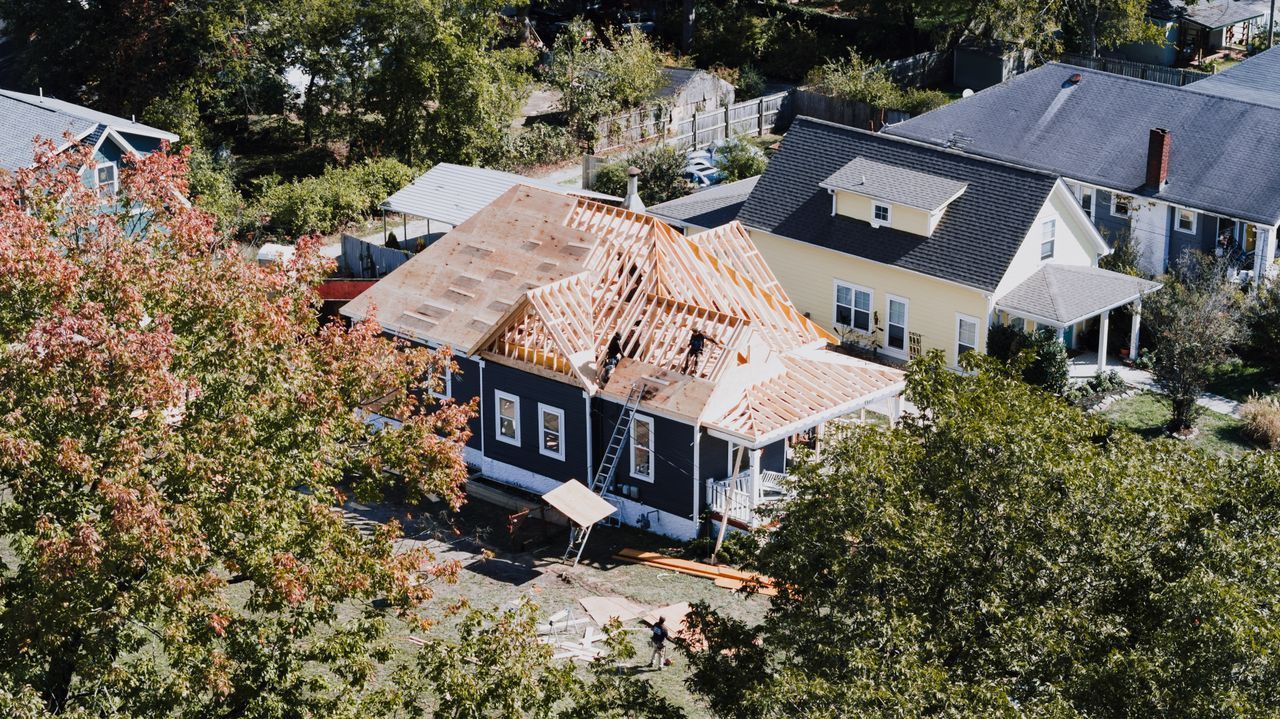
The work behind your walls often costs more than the finishes you can see. Structural changes carry the highest price tag because they touch the bones of your home. They also need engineer-stamped plans, permits, and crews trained to do the work right.
Here are the structural items that drive up a remodel budget the most:
- Foundation repairs. Cracks and settling show up often in older homes built on Treasure Valley soils that shift with moisture.
- Load-bearing wall removal. Opening up a floor plan means steel beams, support posts, and engineered drawings.
- Roof replacement. Idaho snow load codes shape the materials and labor needed to do it right.
Most structural surprises do not show themselves until demo day. When we open up a wall in a 1970s home, we often find old framing, dated wiring, or water damage no one knew was there. That is why your bid may shift once the project starts. A licensed remodeler builds room in the plan for these moments, so you are not caught off guard.
Costs vary widely because every home is different. A small foundation patch may run a few thousand dollars. A full structural fix with new beams and roof work can climb past $40,000. The right way to plan is to have a contractor walk your home before you commit to a budget.
Kitchen Remodels Eat the Biggest Slice of Most Budgets
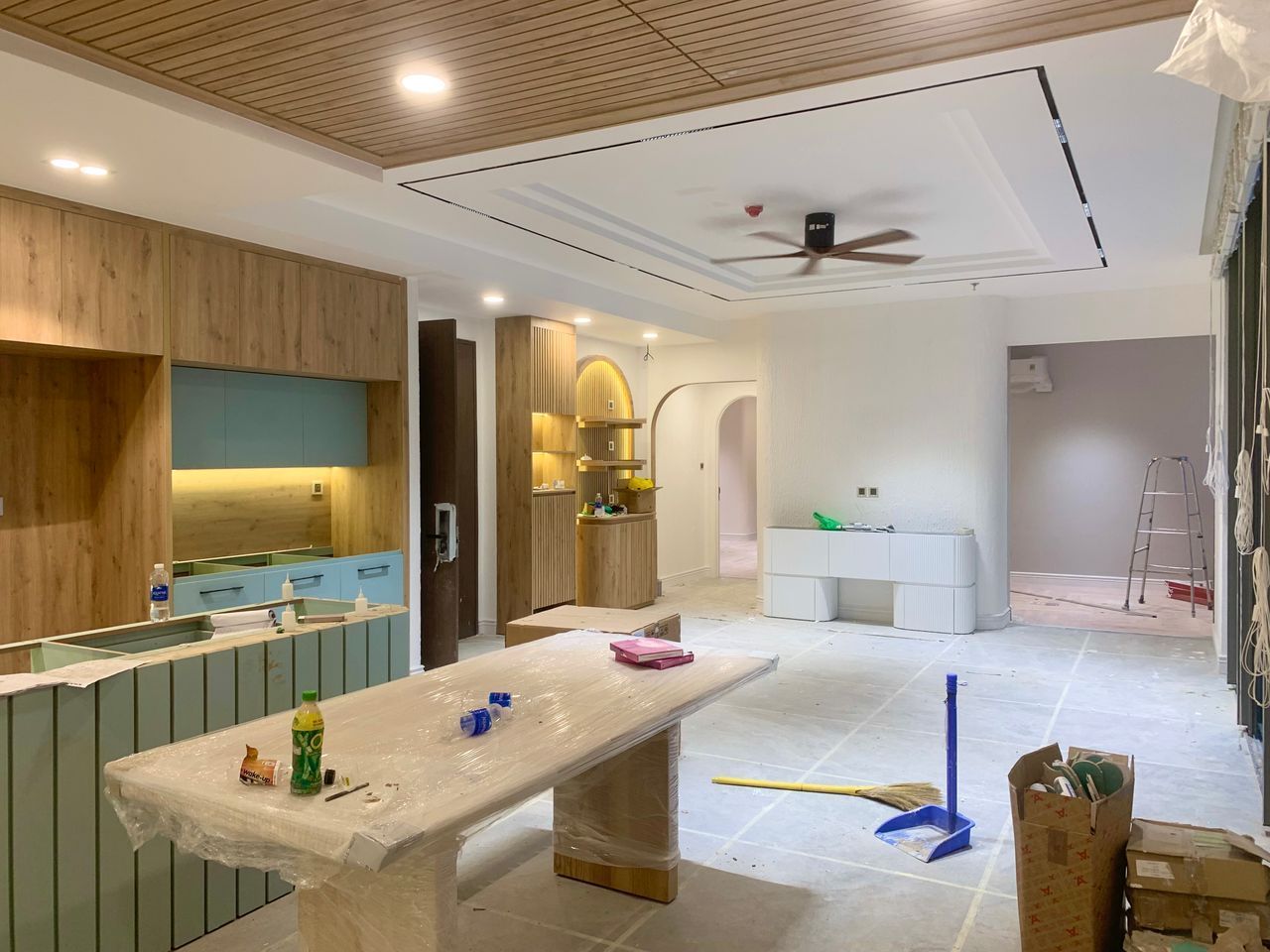
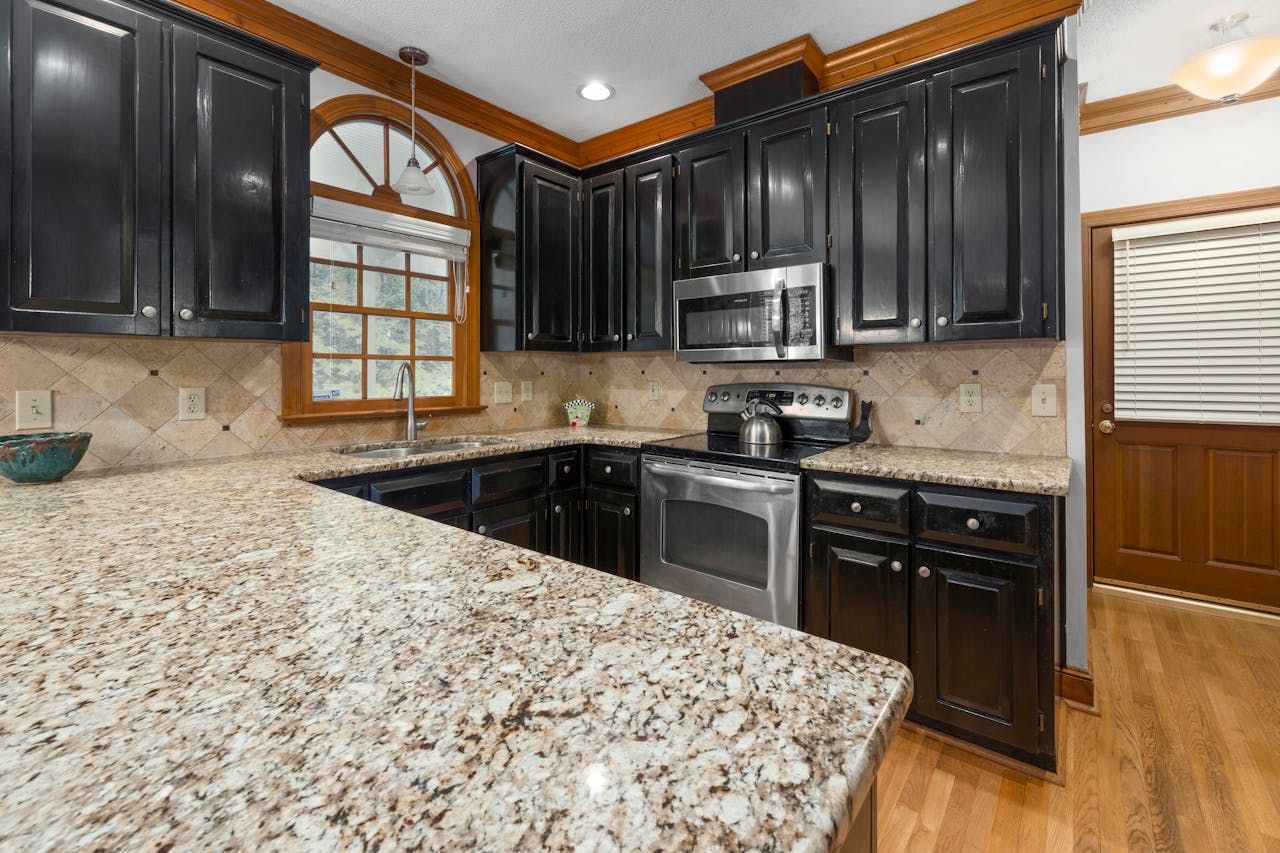
The kitchen is the room most homeowners want to change first, and it is also the room that takes the largest share of a remodel budget. A full kitchen renovation in the Treasure Valley often runs $30,000 to $80,000 or more. The reason is simple. A kitchen packs cabinets, countertops, appliances, plumbing, and electrical into one tight space.
Here is where the money goes inside a kitchen remodel:
- Cabinets. These are the single largest line item, often 30 to 40 percent of the kitchen budget.
- Countertops. Material choice swings the price more than any other surface.
- Appliances. High-end ranges, built-in fridges, and pro hoods can add tens of thousands fast.
- Plumbing and electrical moves. Adding an island, a pot filler, or new lighting means new lines through walls and floors.
Countertops are where we see homeowners swing the budget the most. Here is how the common choices compare:
| Material | Rough Price per Square Foot Installed | What to Know |
|---|---|---|
| Laminate | $25 to $50 | Budget-friendly, modern looks now available |
| Butcher block | $50 to $150 | Warm look, needs sealing and care |
| Granite | $40 to $175 | Durable, each slab is one of a kind |
| Quartz | $70 to $150 | Low upkeep, even color and pattern |
| Marble | $100 to $250 | Beautiful, but stains and scratches easier |
If you want to save without regret, our tip is to keep your plumbing in place. Moving a sink or island a few feet across the room can add thousands in labor. Spend your money on cabinets and counters instead, because those are the surfaces you touch every day.
For a closer look at how we plan and build these projects, see our
kitchen renovation
page.
Bathroom Renovations Are Smaller, But Cost Per Square Foot Is Highest
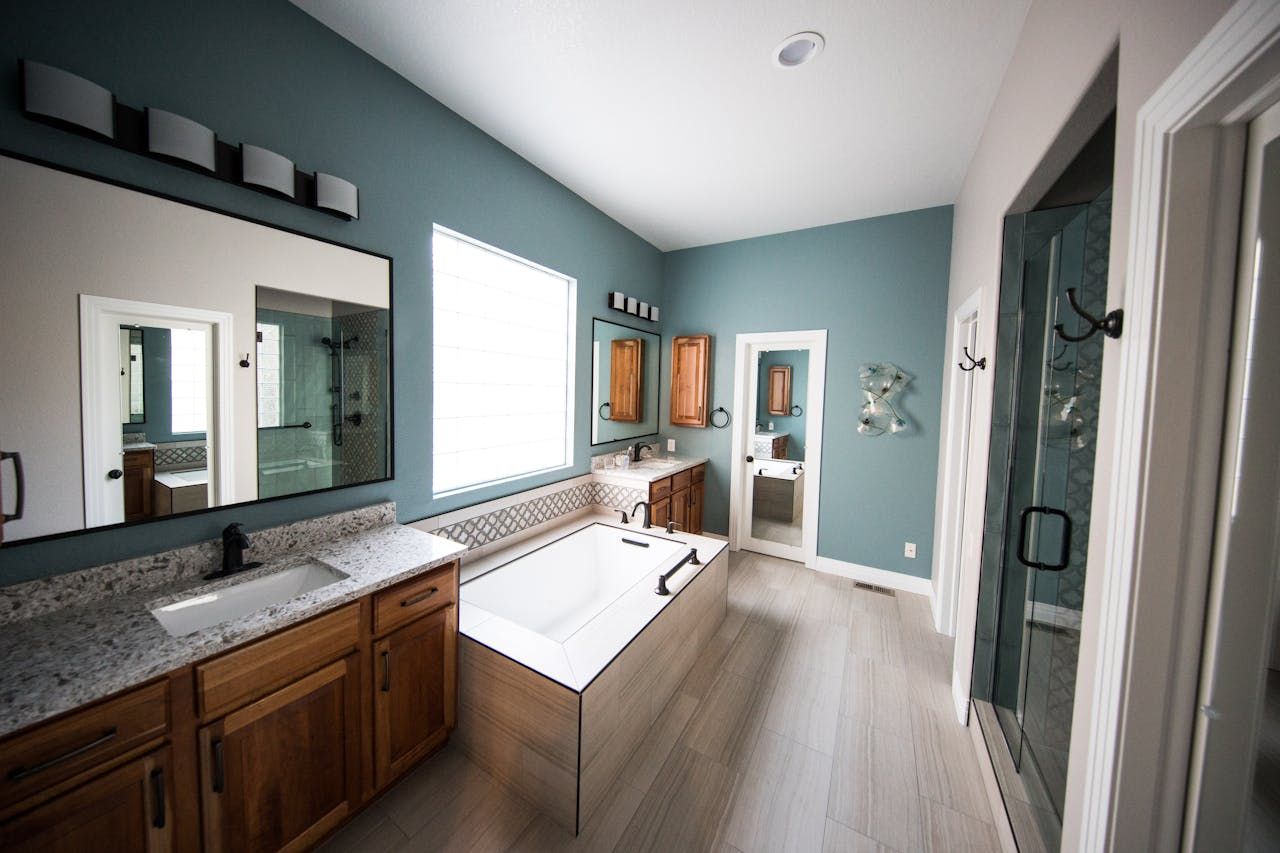
Bathrooms are small rooms with big price tags. A full bathroom remodel in the Treasure Valley often runs $15,000 to $35,000 or more. The square footage is tight, but the work packed into that space is dense. Every surface gets touched, and most of them involve water.
Here is where bathroom budgets climb the fastest:
- Plumbing relocation. Moving a toilet, tub, or shower drain is the single biggest cost driver. It means cutting floors, rerouting lines, and passing inspection.
- Tile work and waterproofing. Shower pans, wall tile, and floor tile all need a waterproof base. The labor is slow and skilled.
- Vanities, fixtures, and lighting. Finish choices scale fast. A simple vanity may run $500, while a custom one can pass $5,000.
- Walk-in showers and tub-to-shower conversions. These add demo, framing, and glass costs on top of the tile work.
Primary bath upgrades are a top request in new builds and resales across Star, Eagle, and Meridian. Buyers look for walk-in showers, double vanities, and clean tile work. That is why we see homeowners spend more per square foot here than in any other room.
If you want to keep the price in check, hold your plumbing lines where they are. Pick one or two upgrades to splurge on, like the tile or the vanity, and stay practical with the rest.
See how we approach
bathroom remodeling for more on our process and finishes.
Labor Is the Cost Most Homeowners Underestimate
Materials are only part of the bill. The other half walks in every morning with a tool belt. Labor often runs 20 to 40 percent of a full remodel budget, and on projects with heavy structural or skilled-trade work, that share climbs higher. Some industry economists now place it above half on full remodels. That number surprises most homeowners who focus only on cabinet prices and tile samples.
Skilled trades cost more in Idaho than they did five years ago. Electricians, plumbers, framers, and tile setters are in tight supply across the Treasure Valley. Good crews stay booked out for months. The rates they charge reflect that demand, plus the training and licensing the work requires.
Project length also drives labor cost. Every week your job runs adds payroll to the bill. Delays from late materials, change orders, or hidden surprises behind walls all push the total up. That is one reason a clean plan and a clear scope save you real money.
The cheapest bid is rarely the best value.
A low bid often leaves out the parts that matter most, like permits, dump fees, or finish carpentry. When the project starts, those costs show up as add-ons. A fair bid lists every line so you can see what you are paying for.
A licensed general contractor earns that share of the budget by holding the whole project together. On a normal week, our work includes:
- Pulling permits and meeting inspectors on site
- Scheduling each trade so crews do not overlap or sit idle
- Ordering materials and tracking delivery dates
- Walking the job daily to catch issues before they grow
- Keeping you updated on progress, cost, and any changes
That work happens behind the scenes, but it is what keeps your remodel on schedule and on budget.
How to Plan Around the Most Expensive Parts of a Remodel
A smart plan saves more money than any single material choice. Once you know where the big costs live, you can build a budget that holds up when the work begins. Here are five steps we walk every client through before they sign a remodel contract.
- Use the 30 percent rule as a sanity check. Most homeowners should not spend more than 30 percent of their home value on a single remodel. See our guide on the 30% remodeling rule for the full breakdown.
- Get itemized quotes, not lump sums. A real quote lists labor, materials, permits, and dump fees on separate lines. That is the only way to compare bids fairly.
- Build a 15 to 20 percent contingency budget. Hidden damage, code updates, and material price changes are common. A contingency keeps surprises from stopping the job.
- Phase the project if the full scope is too much. Work with a trusted remodeler to tackle structural work and rough-ins first. Save finishes like flooring, paint, or backsplash for a later phase.
- Get a contractor walk-through before you commit. A licensed remodeler can spot issues your inspector and your wallet will both thank you for catching early.
Plans like these turn a stressful project into a clear path forward. They also give you the data you need to choose the right contractor with confidence.
The Bottom Line on Remodel Costs
The four biggest costs in any remodel are structural work, kitchens, bathrooms, and labor. Each one carries weight, and the order shifts based on your home. An older home in Star may need foundation work first. A growing family in Meridian may pour the budget into the kitchen. A resale in Eagle may lean on a primary bath upgrade. The most expensive part of a remodel is the part your home needs most.
A clear plan, an itemized quote, and a contractor who walks the job with you turn a big budget into a smart one. That is the standard we hold ourselves to at ATP Construction on every project we take on.
Ready to begin your next project?
Contact ATP Construction today!