What Are the 4 Types of Construction? (And Which One Covers Your Project)
"Construction" covers everything from a kitchen remodel to an interstate highway. So when people ask about the four types of construction, they usually mean something simpler. They want to know which type their own project is.
That answer matters more than it sounds. Each construction type follows different codes, uses different equipment, and calls for a different kind of contractor. Hire the wrong kind, and your project can stall before it starts.
This guide breaks down all four construction types in plain terms. You'll see exactly where your home project fits, whether it's a remodel, an addition, or a new build. You'll also learn who handles each type of work.
First, we'll give you the quick answer to the four types. Then we'll look closer at each one — what gets built, who builds it, and how to know which contractor your project needs. By the end, you'll know your category and your next step.
What Are the 4 Types of Construction?
The four main types of construction are:
- Residential — houses, apartments, remodels, and home additions
- Commercial — offices, retail stores, restaurants, and hotels
- Industrial — factories, warehouses, and power plants
- Infrastructure — roads, bridges, and public utility systems
Each type follows different codes and uses different equipment and contractors. Most homeowner projects — including a remodel — fall under residential construction. A registered general contractor handles that work.
The 4 Types of Construction at a Glance
Here's a side-by-side look at all four types. Use this table to spot your project fast.
| Type | What Gets Built | Who Hires It | Typical Contractor |
|---|---|---|---|
| Residential | Homes, remodels, additions, decks | Homeowners, builders | General contractor |
| Commercial | Offices, stores, restaurants, hotels | Business owners, developers | Commercial general contractor |
| Industrial | Factories, warehouses, power plants | Manufacturers, corporations | Specialized industrial firms |
| Infrastructure | Roads, bridges, water systems | Government agencies | Heavy civil contractors |
Each type has a simple definition. Residential construction means building or improving the places people live. Commercial construction creates spaces where business happens. Industrial construction builds facilities that make or process goods. Infrastructure construction delivers the public systems we all use, like roads and utilities.
Notice what defines these categories. It's not the size of the project. It's what gets built and who it serves. A small retail shop is still commercial. A large custom home is still residential.
Now that you've seen all four side by side, let's start with the one that covers most homeowner projects — residential.
Residential Construction: Homes, Remodels, and Additions
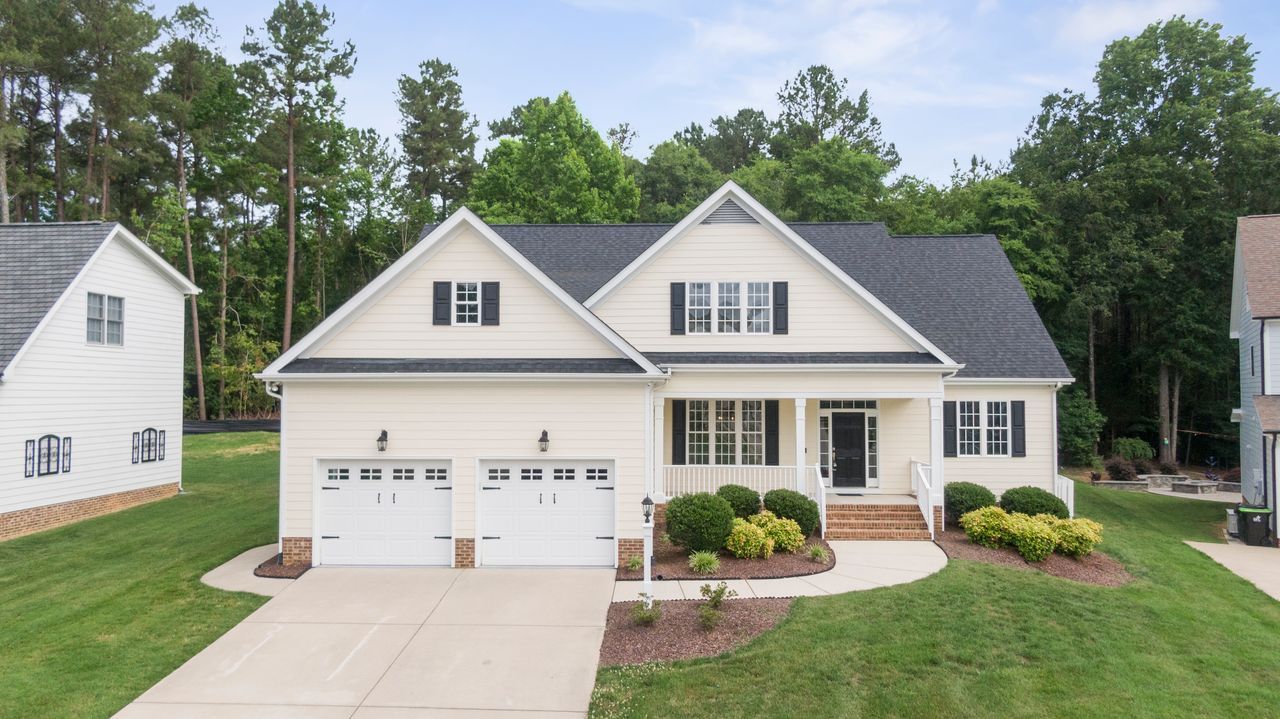
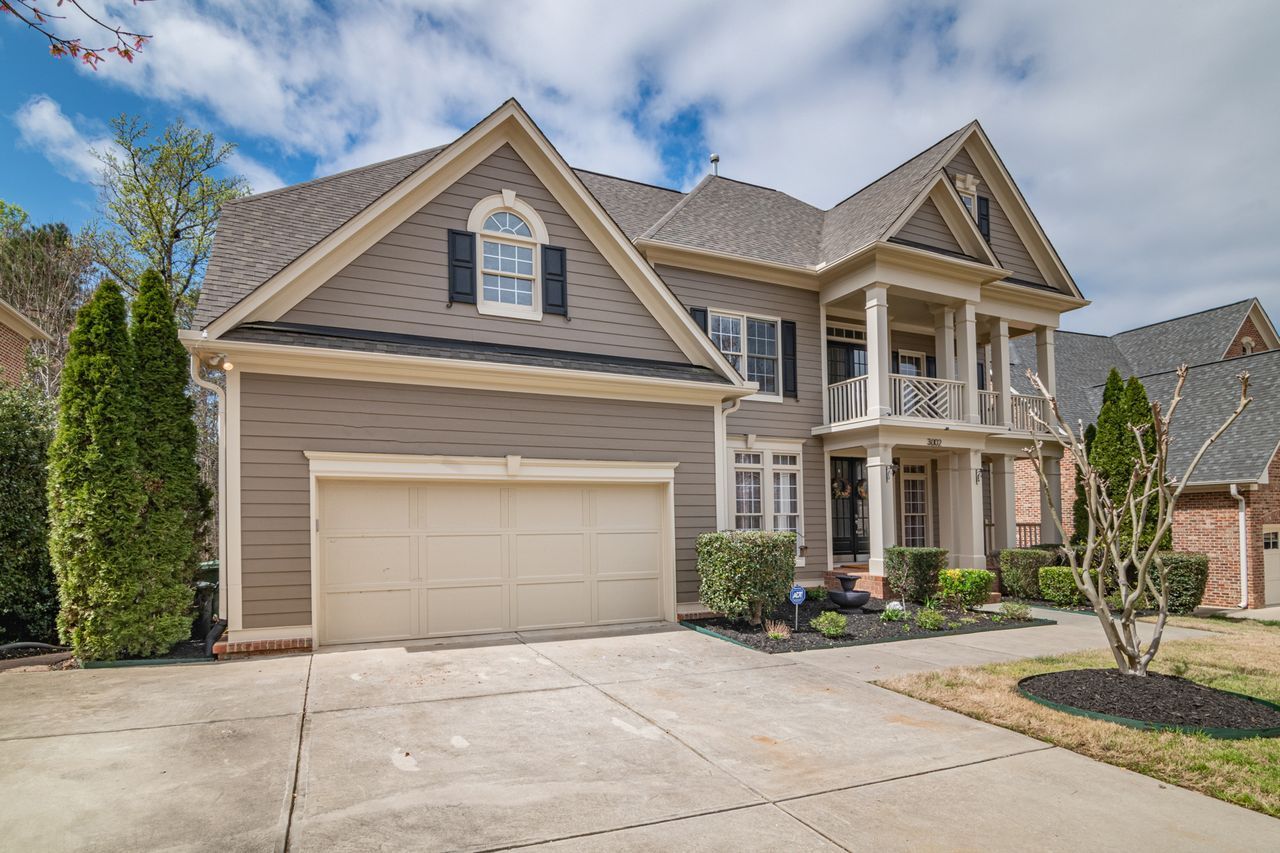
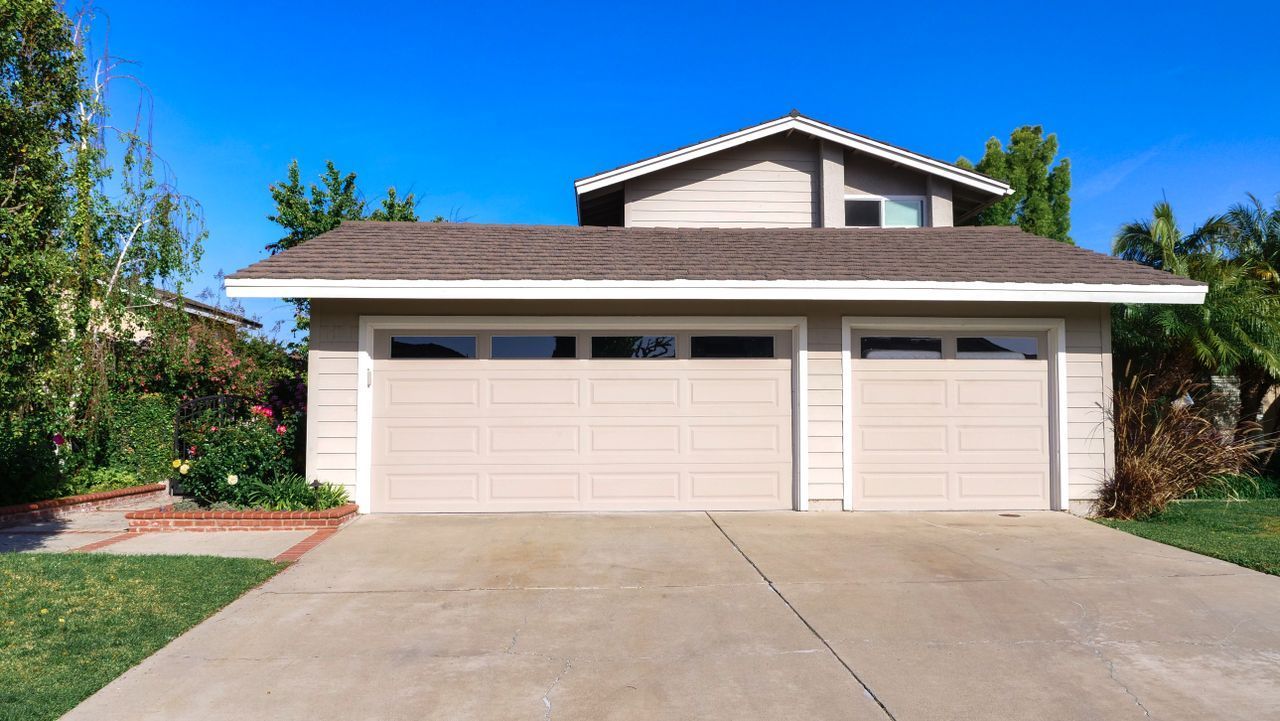
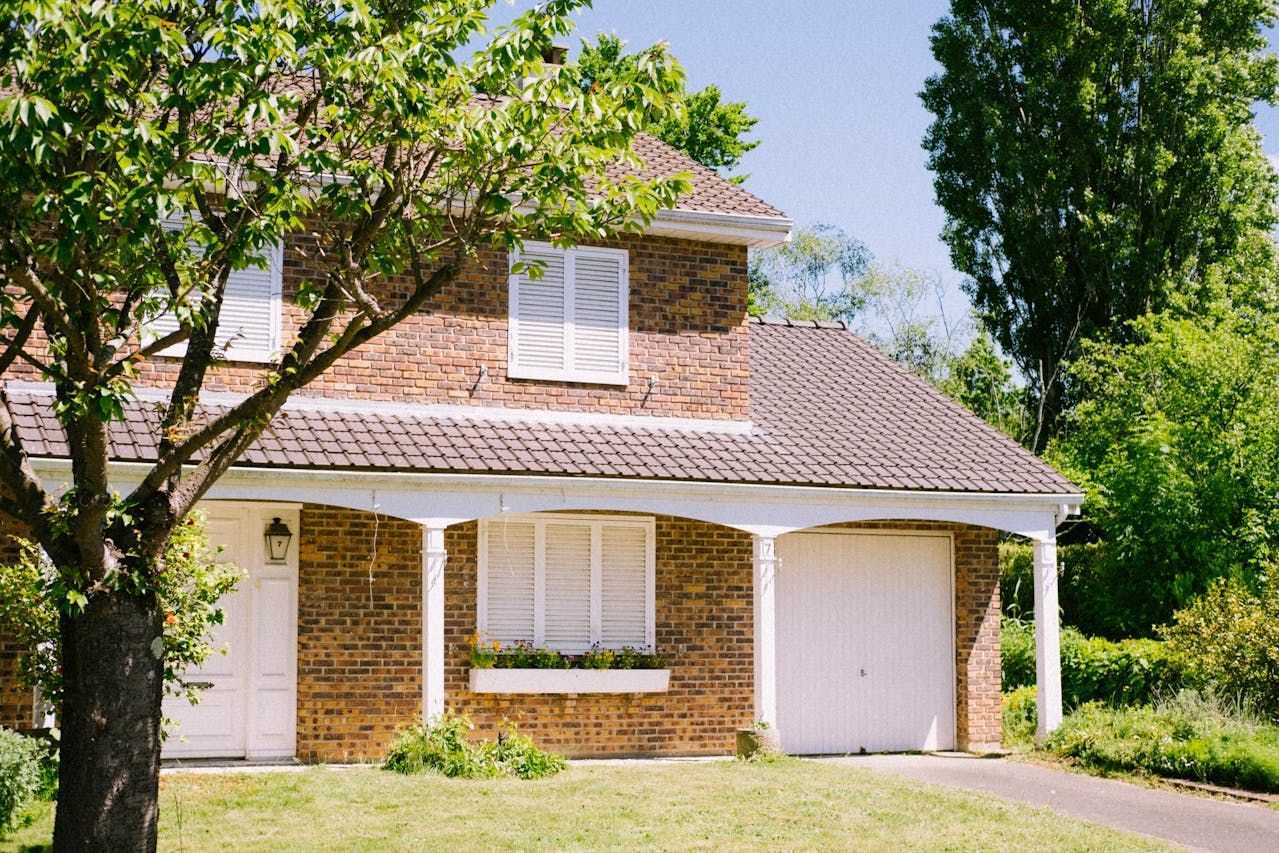
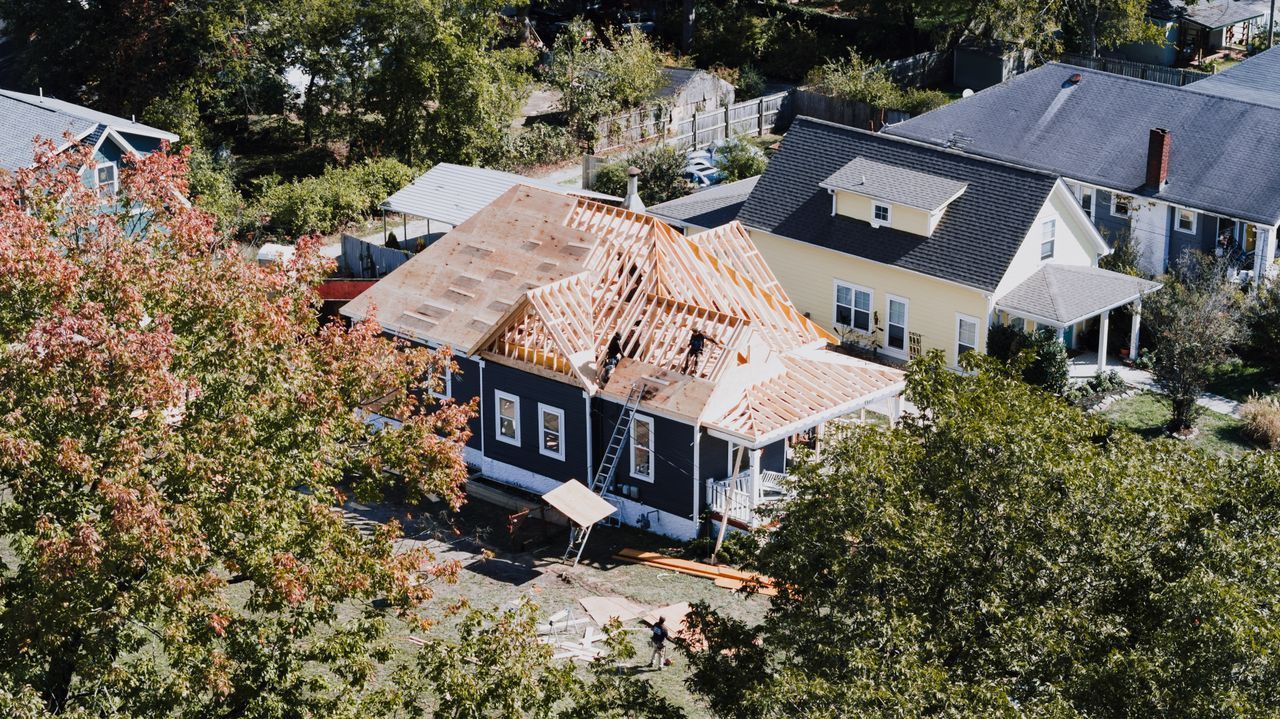
Residential construction covers any project where people live. If the building is a home, the work is residential. This is the category most of our Star and Eagle clients fall into.
Common residential projects include:
- New home builds
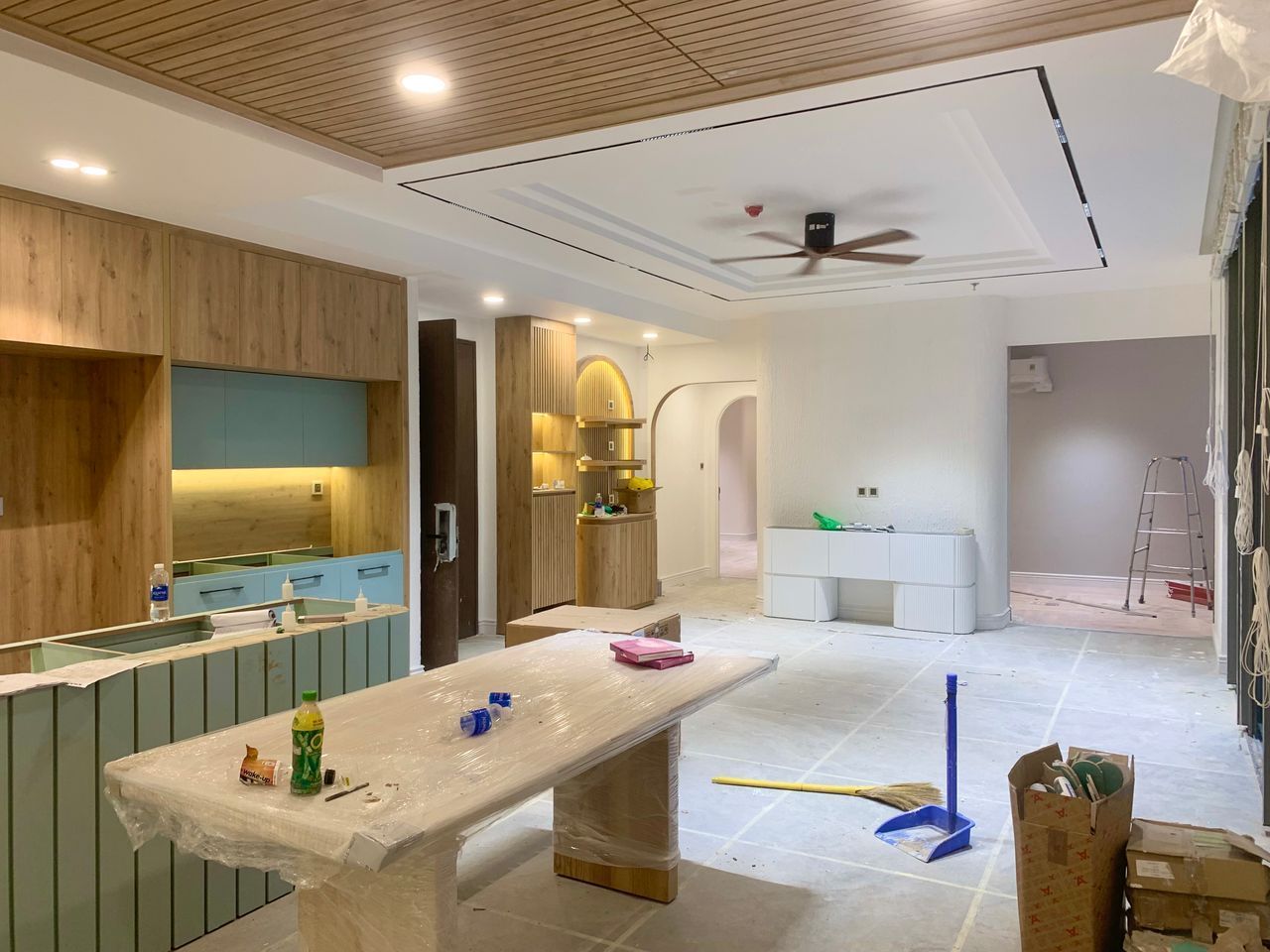
- Whole-house and room remodels
- Kitchen and bathroom renovations
- Room additions and ADUs
- Decks and pergolas
- Garage construction and conversions
Here's a question we hear often: does a remodel count as construction? Yes. A home remodel is residential construction, even though nothing new rises from the ground. The same building codes apply. In Star, the City of Star Building Department reviews permits for structural, electrical, and plumbing changes.
A general contractor runs this type of work. We coordinate the licensed trades — plumbers, electricians, and HVAC techs — so you don't have to. One point of contact, one schedule, one finished project.
Residential splits into two groups. Single-family covers houses like most homes in Star. Multi-family covers apartments, duplexes, and townhomes. Most of our work is single-family.
Andrew Connell, our founder, sees one surprise more than any other. A "simple remodel" often touches a load-bearing wall or old wiring. That turns a cosmetic job into permitted structural work. Planning for it early saves you weeks.
Commercial Construction: Spaces for Business
Commercial construction looks similar from the curb. But the rules behind it are very different.
This category covers buildings where business happens. Common examples include:
- Offices and medical suites
- Retail stores
- Restaurants
- Hotels
Commercial projects follow stricter codes than homes. Buildings must be accessible under the federal ADA. Idaho applies the International Building Code, which adds fire and occupancy rules. Inspectors check all of it before a business can open its doors.
Timelines and budgets run differently, too. Commercial jobs involve more engineering, more permits, and more inspections. A buildout that looks simple on paper can take longer than a full home remodel.
Here's something useful to know. Some general contractors handle light commercial work alongside residential projects. We've taken on light commercial buildouts here in the Treasure Valley, including office and tenant improvement work. The skills overlap more than most people expect.
Still, if your project is a large commercial building, you'll want a contractor who works in that space full time. For most readers, though, this isn't your category. Let's keep going.
Industrial Construction: Building for Production
Industrial construction builds the places where goods get made. Think factories, warehouses, processing plants, and power facilities.
This type works differently from the others. Engineers lead the design, not architects. The building exists to serve the equipment inside it. Production lines, heavy machinery, and safety systems shape every decision.
The contractors are different, too. Industrial firms use heavy equipment and specialized crews. This is not general contractor territory. No residential builder takes on a power plant.
As a homeowner, you'll never hire an industrial contractor. But knowing this category helps you understand the full picture. It also explains why "construction company" can mean very different things.
Infrastructure Construction: Roads, Bridges, and Utilities
Infrastructure construction builds the public systems everyone uses. Highways, bridges, water lines, and utility networks all fall here.
The industry also calls this "heavy civil" construction. Government agencies fund most of it through public contracts. Civil engineering firms and heavy civil contractors do the work. Private homeowners never hire in this category.
You see this type every day around here. The Treasure Valley's rapid growth keeps road and utility crews busy across Ada County. Every widened lane and new water line is infrastructure construction in action.
So where does your project land? For most people reading this, the answer is simpler than expected.
Which Type Is Your Project — and Who Should You Call?
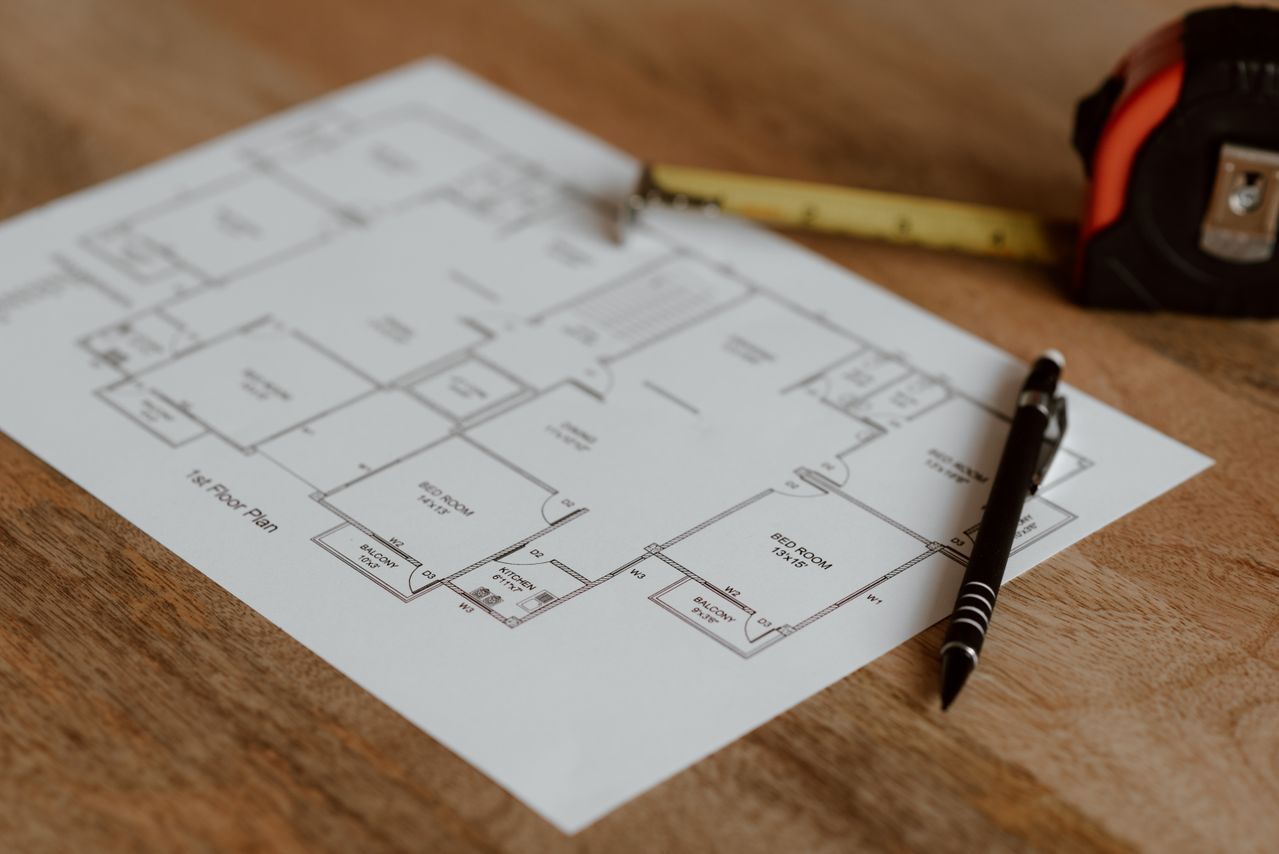
If the project is your home, it's residential construction. A build, a remodel, an addition, or a repair all count. Your starting point is a registered general contractor.
That word "registered" matters in Idaho. The state requires contractors to hold an active registration with the Idaho Contractors Board through DOPL. Registration applies to most projects over
$2,000. Specialty trades like electrical and plumbing carry separate state licenses. Checking registration takes two minutes and protects you from fly-by-night operators.
Before you hire anyone, ask these questions:
- Are you registered with the Idaho Contractors Board?
- Do you carry liability insurance?
- Who pulls the permits — you or me?
- Can I see recent local projects and talk to past clients?
A good contractor answers all four without hesitation.
Here's how it works with us. Your first call starts a free consultation. We visit your property, walk the space with you, and listen to your vision. Then we define the scope and deliver an estimate. No pressure, no guesswork — just a clear plan from day one.
Since 2016, ATP Construction LLC has helped homeowners across Star, Eagle, and the Treasure Valley bring their projects to life. Schedule a free consultation or call (208) 741-4371 today!