What Is the Hardest Room to Renovate? Why and What to Expect
After nearly a decade of remodeling homes across the Treasure Valley, we hear the same question from almost every new client:
"Which room is going to be the biggest headache?"
The honest answer surprises people, and it usually changes how they plan the whole project.
This guide walks you through the hardest room to renovate, why it earns that title, and what every homeowner should know before starting a renovation.
You'll learn which room consistently causes the most trouble, the systems and design choices that make it so complex, the other tough rooms that come close, and a few practical tips for keeping costs and stress under control.
What is the Hardest Room to Renovate?
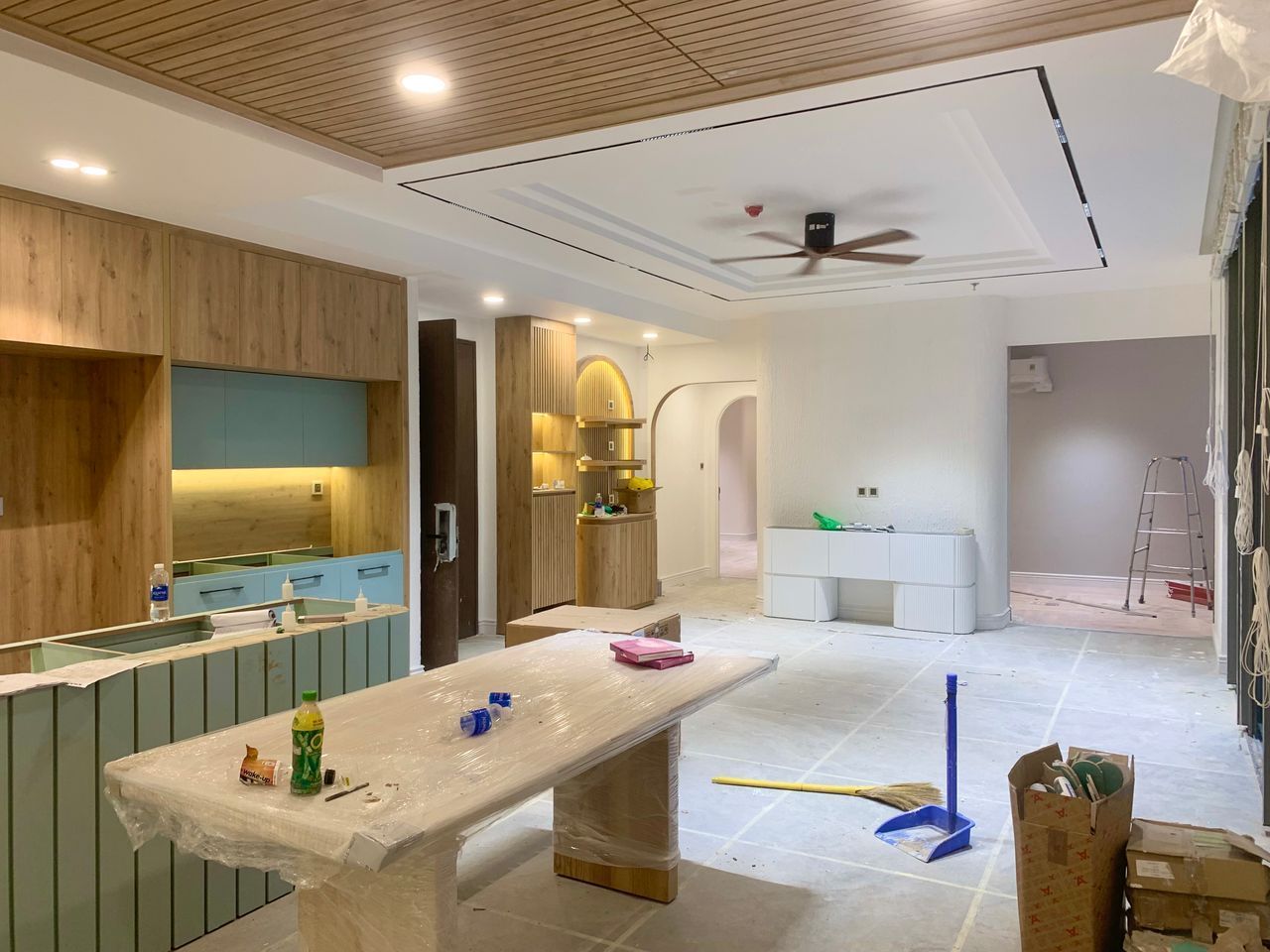
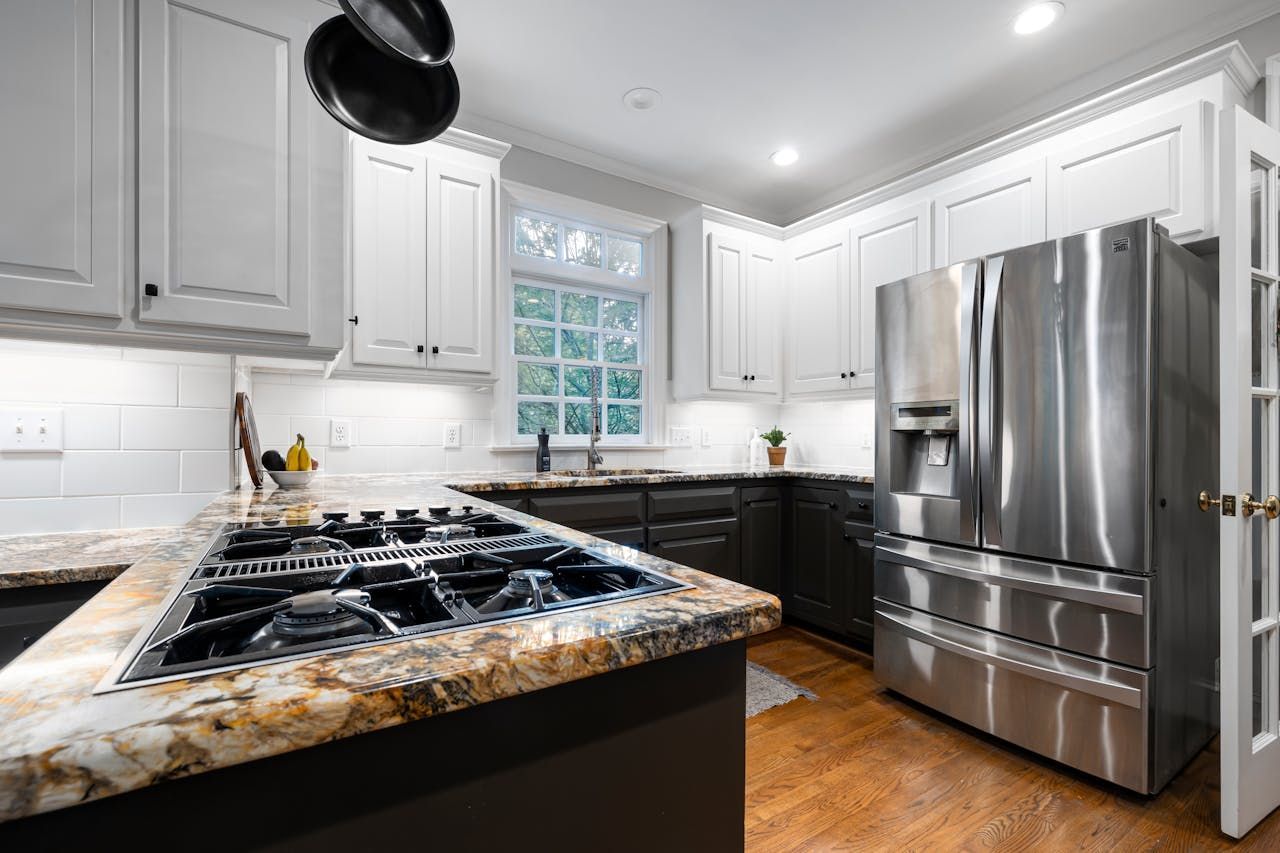
The kitchen is widely considered the hardest room to renovate. It combines plumbing, electrical, gas, ventilation, cabinetry, flooring, and appliances in one tight space — more systems than any other room in a typical home. Kitchens also demand custom layouts, premium finishes, and tight tolerances, which drives up both cost and timeline.
Bathrooms come in a close second for the same reasons on a smaller scale. Whole-home and basement renovations can rival a kitchen in difficulty when structural changes are involved, but no single room packs in as much complexity as the kitchen.
Why the Kitchen Is the Hardest Room to Renovate
A kitchen pulls more building systems into one room than anywhere else in your home. Plumbing for the sink and dishwasher, gas for the range, electrical for lighting and outlets, and HVAC venting for the hood all share the same walls and floor. Each system has its own code rules and its own trade.
That overlap is where most projects get tricky. Here's what runs through a typical kitchen:
- Hot, cold, and drain plumbing lines
- Gas supply for ranges and cooktops
- Dedicated electrical circuits for appliances and small countertop outlets
- Range hood ductwork tied into exterior venting
- Recessed and task lighting circuits
- Low-voltage wiring for under-cabinet lights and smart controls
Cabinetry adds another layer of complexity. Boxes are built to custom measurements, lead times often run six to twelve weeks, and the install has to happen in the right order. Countertops can't be templated until cabinets are set, and appliances can't slide in until counters are done.
Appliances bring their own rules. A range hood needs the right CFM rating for the cooktop below it. Outlets must follow code spacing along the countertop. A built-in oven needs the right clearance and a dedicated circuit. Miss one detail and the inspector sends you back.
Then there's layout. The work triangle, the island, and traffic flow all shape where plumbing and wiring need to land. Move the sink six inches and the drain line, the dishwasher, and the cabinet run all shift with it. Every layout decision ripples into every trade on the job.
From our crew:
On most kitchens, the surprise isn't the cabinets or the counters — it's what we find behind the old drywall. Older homes often have outdated wiring or undersized drain lines that need to be brought up to code before the new kitchen can go in.
The Real Cost Drivers in a Kitchen Renovation
Once you understand the complexity, the price tag starts to make sense. Most kitchen budgets break down into the same handful of categories, and a few of them carry the bulk of the spend.
Cabinetry is almost always the largest single line item. Stock cabinets cost less and ship faster. Semi-custom cabinets give you more sizes and finishes. Full custom cabinets are built to your exact layout and finish choices, and they carry the highest price and the longest lead time.
Countertops are the next big swing. Here's a rough range of what homeowners choose:
- Lower tier: Laminate and butcher block
- Mid tier: Quartz, solid surface, and entry-level granite
- Upper tier: Natural stone slabs, premium quartz, and specialty materials
Appliances follow the same pattern. A builder-grade package covers the basics. A mid-range package adds better finishes and quieter motors. A premium package — pro-style ranges, paneled refrigerators, built-in coffee makers — can match or pass the cost of your cabinets.
The hidden costs catch most homeowners off guard. A few of the ones we see most often:
- Building permits and inspections
- Electrical panel upgrades to handle new circuits
- Subfloor repair once old flooring comes up
- Replacing old galvanized or cast-iron plumbing lines
- Patching and refinishing walls and ceilings after demo
These items rarely show up in a glossy design quote, but they show up in the final invoice. Building them into your budget from day one keeps the project on track.
Here's the good news on the other side of the ledger: A minor mid‑range kitchen remodel in the Mountain region returns about
110% of its cost at resale, according to the 2025 Cost vs. Value Report. That's the highest return on investment of any interior remodeling project tracked.
A smart kitchen renovation budget often pays you back when it's time to sell.
What surprises homeowners most: The line item that catches people off guard isn't the cabinets — it's the electrical work. Most older homes often need a new panel or new circuits to meet today's code, and that adds thousands before a single cabinet goes in.
Other Difficult Rooms to Renovate (and Why)
Kitchens top the list, but a few other rooms come close. Each one has its own mix of trades, code rules, and surprises behind the walls.
Bathrooms pack a lot of plumbing into a small footprint.
Supply lines, drains, and vents all share tight wall cavities. Waterproofing has to be done right the first time, because leaks behind tile show up months later as damaged drywall and floors. Tile work is unforgiving — small layout mistakes get magnified in a six-by-eight room.
Basements bring different challenges.
Moisture management comes first, since concrete walls and floors hold water vapor. Egress windows are required for any room used as a bedroom, and cutting those openings into a foundation is a real structural job. Framing into uneven concrete and sloped floors slows everything down.
Whole-home renovations stack every challenge at once.
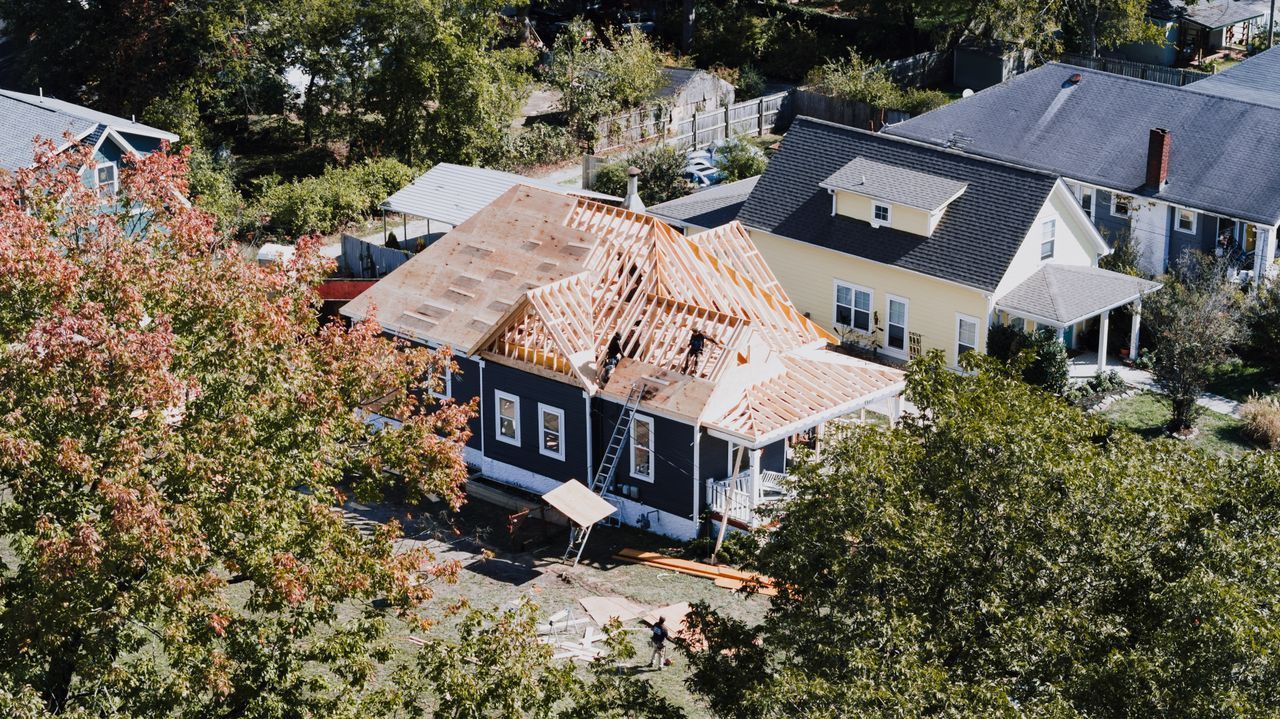
Trades have to be sequenced so plumbers, electricians, framers, and finishers don't trip over each other. Permits often have to be pulled in phases. And most homeowners are still living somewhere — either in part of the house or in a rental — while the work happens.
Sunrooms and additions add structural work to the mix. Foundations have to tie into the existing house. Walls and roofs need to seal against Idaho's hot summers and cold winters. Electrical and HVAC have to extend cleanly from the main home without overloading either system.
Here's how they compare:
| Room | Why It's Difficult |
|---|---|
| Kitchen | Most systems in one space; custom cabinets and counters |
| Bathroom | Dense plumbing; waterproofing; tight footprint |
| Basement | Moisture, egress code, framing into concrete |
| Whole-home | Trade sequencing; permits; living arrangements |
| Sunroom / addition | Foundation, sealing, structural tie-ins |
Knowing which rooms are toughest is half the battle — the other half is planning.
How to Make a Hard Renovation Easier
A tough renovation doesn't have to feel tough. A few habits — set early — save weeks of delays and thousands of dollars later. Here's the order we walk every client through:
- Lock the design before the demo starts.
Final layout, cabinet style, tile, paint colors, and fixtures should all be picked before a single wall comes down. Mid-project changes are where budgets blow up.
- Set a realistic budget with a 10–20% contingency.
Older homes hide surprises behind the walls. A built-in cushion keeps a rotted subfloor or an outdated panel from stopping the job.
- Hire a licensed, insured general contractor.
A good contractor pulls the permits, schedules the trades, and stands behind the work. They also catch code issues before an inspector does. Use our questions to ask before hiring a remodel contractor blog to vet your shortlist.
- Sequence your decisions in the right order. Pick appliances first, then cabinets, then countertops, then finishes. Each choice sets the dimensions for the next one.
- Plan for the daily disruption.
Map out where you'll cook, shower, and store your stuff while the work happens. A two-week kitchen project feels much longer without a backup plan.
- Learn from other homeowners' mistakes. Most renovation regrets come from the same handful of decisions — chosen finishes, skipped permits, picked the cheapest bid.
One tip from our project managers: Make every major selection before we swing a hammer. Clients who finalize their cabinets, counters, tile, and appliances up front finish on time. Clients who decide as they go almost never do.

Planning a Renovation in the Treasure Valley?
We're based in Star, Idaho, and we work with homeowners across the Treasure Valley — Eagle, Meridian, Boise, Nampa, and the surrounding communities. Local matters on a renovation. We know the building departments, the soil conditions, and the older homes that need extra care behind the walls.
A free in-home consultation gives you a clear starting point. Here's what we cover:
- A walk-through of the space you want to renovate
- Honest feedback on what's possible within your budget
- A timeline that fits your life, not just our schedule
- A written estimate with no hidden line items
Our work goes beyond kitchens. We remodel bathrooms, finish basements, build sunrooms and additions, and handle whole-home renovations. One contractor, one point of contact, one team that owns the project from start to finish.
Want to see what's possible? Browse
our gallery for before-and-after photos from real Treasure Valley homes.
Ready to start your renovation? Call ATP Construction at (208) 741-4371 to get things started!